
What's Happening?
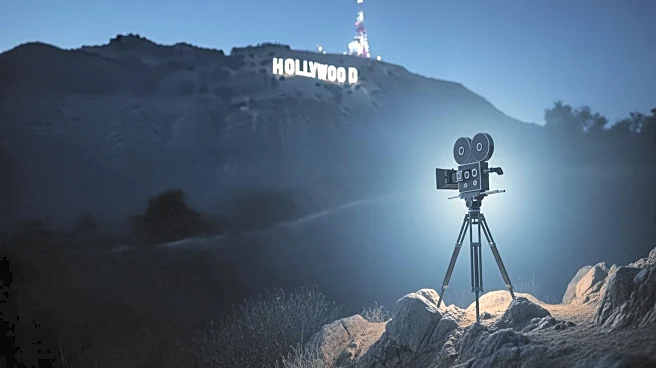
Sydney Sweeney, an actor known for her role in 'Euphoria,' is facing potential legal trouble after a promotional stunt involving the Hollywood sign. Sweeney was filmed climbing the iconic landmark to hang
bras as part of a campaign for her lingerie line. The Hollywood Chamber of Commerce, which owns the intellectual property rights to the sign, stated that the stunt was unauthorized. The chamber, along with the Hollywood Sign Trust, was unaware of the event until the footage surfaced. Although Sweeney's team obtained a general filming permit from FilmLA, they did not secure the necessary permissions to film the sign itself, which requires additional clearance and a licensing fee. The Los Angeles Police Department has not yet filed a report that could lead to a trespassing investigation.
Why It's Important?
This incident highlights the legal and ethical considerations surrounding the use of iconic landmarks for commercial purposes. The Hollywood sign is a protected symbol, and unauthorized use can lead to legal repercussions. This situation underscores the importance of obtaining proper permissions and respecting intellectual property rights. For Sweeney, the stunt could result in negative publicity and potential legal action, affecting her brand and public image. The Hollywood Chamber of Commerce's response also emphasizes the need for businesses and individuals to adhere to established protocols when engaging in promotional activities involving public landmarks.
What's Next?
If a police report is filed, it could trigger a trespassing investigation and potential legal proceedings against Sweeney and her team. The Hollywood Chamber of Commerce may also pursue civil action to protect its rights. This incident could lead to stricter enforcement of regulations regarding the use of the Hollywood sign and similar landmarks. Additionally, Sweeney's representatives may need to address the situation publicly to mitigate any damage to her reputation and brand.
Beyond the Headlines
The event raises questions about the balance between creative marketing and legal boundaries. It also highlights the ongoing challenges faced by public institutions in protecting cultural landmarks from unauthorized commercial exploitation. This case could set a precedent for how similar situations are handled in the future, potentially influencing policies related to the use of public symbols in advertising and promotions.