


What's Happening?
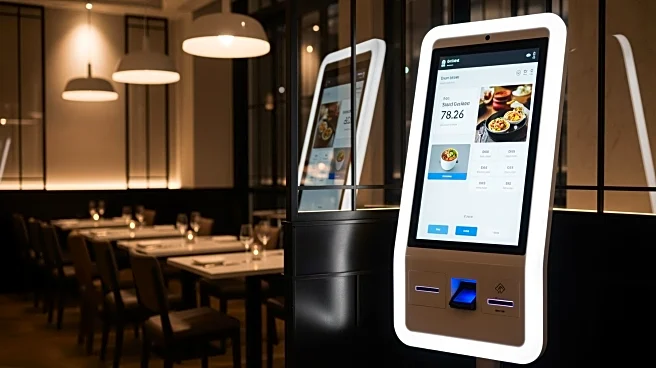
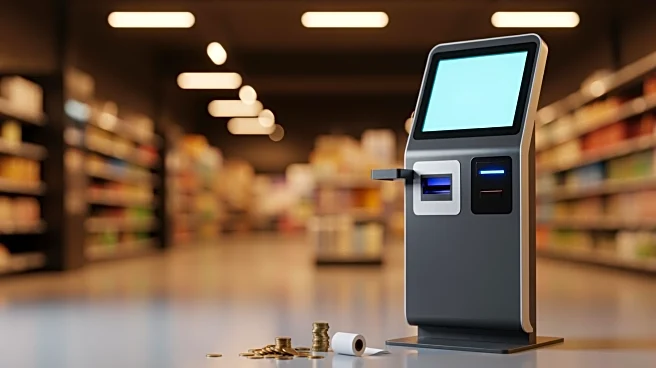
Supermarkets across the United States are reconsidering their reliance on self-checkout systems due to increasing operational challenges and customer dissatisfaction. Initially introduced to streamline the shopping experience and reduce labor costs, self-checkout machines
have not delivered the expected benefits. According to a report by Raydiant, while 60% of U.S. consumers prefer self-checkout over traditional cashier lines, 67% have experienced failures with these machines. Issues such as unrecognized barcodes and system freezes have led to customer frustration. Additionally, the National Retail Federation reported a rise in retail shrinkage, or theft, which increased from 1.4% in 2021 to 1.6% in 2022. Retailers like Dollar General have acknowledged over-reliance on self-checkout, prompting a shift back to more staffed checkouts to improve customer service and reduce losses.
Why It's Important?
The reevaluation of self-checkout systems highlights a significant shift in retail strategies, impacting both consumers and businesses. For consumers, the move addresses growing dissatisfaction with self-service technology that often fails to meet expectations. For retailers, the decision to scale back on self-checkout reflects a need to balance cost savings with customer satisfaction and loss prevention. The increase in shrinkage rates underscores the financial risks associated with self-checkout, prompting retailers to reconsider their staffing models. This shift could lead to increased employment opportunities in the retail sector as stores seek to enhance customer service and reduce theft. The trend also suggests a broader industry recognition that technology must complement, rather than replace, human interaction in retail environments.
What's Next?
As supermarkets adjust their strategies, a hybrid model combining self-checkout and staffed lanes is likely to become more prevalent. This approach allows customers to choose their preferred checkout method, potentially improving satisfaction and reducing operational issues. Retailers may also invest in improving self-checkout technology to address common failures and enhance security measures to combat theft. The ongoing adjustments in retail operations could influence other sectors considering automation, highlighting the importance of balancing technological advancements with human elements. Stakeholders, including retail employees, technology providers, and consumers, will play a crucial role in shaping the future of checkout systems.