








What's Happening?
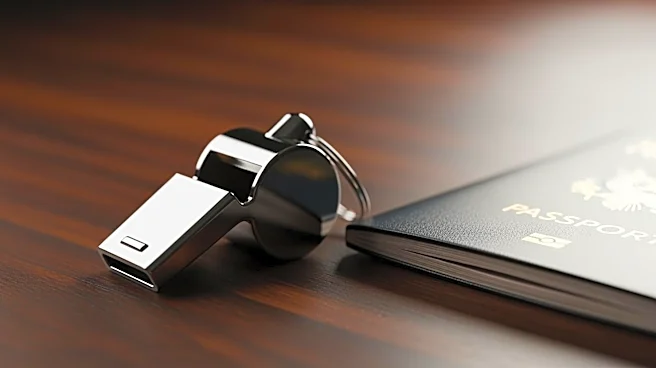
Omar Abdulkadir Artan, a prominent Somali referee, has been denied entry to the United States, preventing him from officiating at the FIFA World Cup 2026. Artan, who was set to become the first Somali referee at a World Cup, was turned away at Miami International
Airport due to 'vetting concerns' as stated by U.S. Customs and Border Protection. Despite holding a valid visa, Artan was deemed inadmissible, a decision that FIFA stated it could not influence. Artan, recognized as Africa's best referee in 2025, was among the 52 referees selected for the tournament hosted by Canada, Mexico, and the U.S.
Why It's Important?
This incident highlights the complexities and potential conflicts between international sporting events and national immigration policies. Artan's exclusion underscores the impact of the U.S. travel ban, which includes Somalia, on global events like the World Cup. The decision has drawn criticism for undermining the principles of fairness and merit in sports, as articulated by Somali officials. This situation may affect the perception of the U.S. as a host nation and could influence future international sporting event policies and diplomatic relations.
What's Next?
The World Cup is set to proceed without Artan, but the incident may prompt discussions within FIFA and other international bodies about the influence of host country policies on global events. There may be calls for FIFA to negotiate more robust agreements with host nations to ensure the participation of all qualified officials, regardless of nationality. Additionally, this could lead to increased scrutiny of the U.S. travel policies and their implications for international cooperation in sports.