


What's Happening?
Air New Zealand has announced a reduction in its flight services by 5% over the next two months due to a significant increase in fuel prices, which have surged as a result of the ongoing conflict in the Middle East. This reduction will result in the cancellation
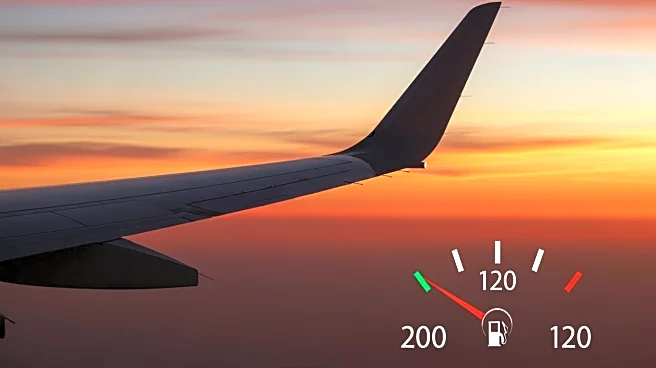
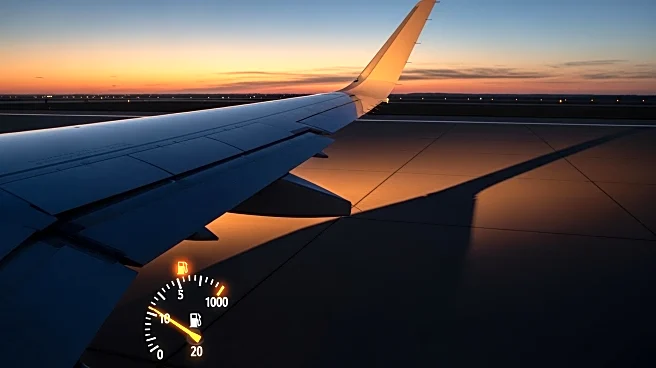
of approximately 1,100 flights, affecting around 44,000 passengers. The airline is focusing on consolidating flights during off-peak hours and re-accommodating affected passengers on alternative flights. The price of jet fuel has risen dramatically, from $90 to as much as $200 per barrel, prompting Air New Zealand to increase ticket prices across various routes. Domestic flights have seen a $10 increase, short-haul flights $20, and long-haul flights $90. Other airlines, such as Qantas and SAS, have also raised prices, while some, like Ryanair and British Airways, have been less affected due to securing fuel at fixed prices.
Why It's Important?
The decision by Air New Zealand to cut flights highlights the broader impact of rising fuel costs on the airline industry. As fuel is one of the largest expenses for airlines, the increase in prices can lead to significant financial strain, forcing airlines to adjust their operations and pricing strategies. This situation could lead to reduced travel options for passengers and higher ticket prices, potentially decreasing travel demand. The ripple effect of these changes could impact tourism and related industries, as well as the economic stability of regions reliant on air travel. Airlines may need to balance cost management with maintaining service levels to avoid losing market share.
What's Next?
Air New Zealand will continue to monitor fuel prices and adjust its operations accordingly. The airline may further consolidate flights or increase prices if fuel costs remain high. Other airlines are likely to follow similar strategies, either by reducing flights or passing costs onto consumers. The situation could prompt discussions among industry stakeholders about long-term strategies for managing fuel price volatility, including exploring alternative fuels or more efficient aircraft. Passengers should expect potential disruptions and higher costs in the near term as airlines navigate these challenges.