






What's Happening?
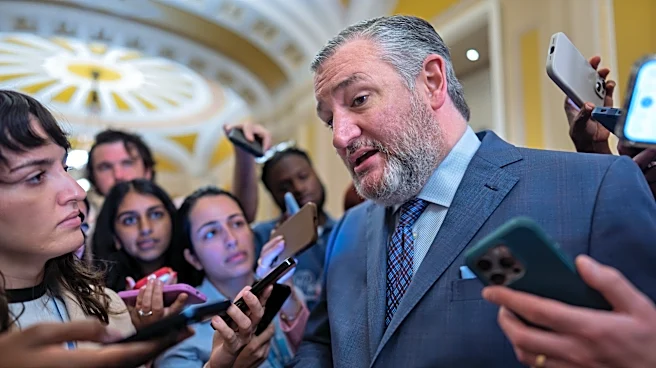
The Senate Commerce Committee recently held a hearing to discuss the 'Protect College Sports Act,' a bipartisan bill aimed at addressing issues within college sports. The hearing revealed that the NCAA and its member institutions are seeking legislative
support to avoid antitrust violations. A key provision in the bill allows for fee-shifting in litigation, meaning if a student-athlete sues and loses, they must pay the legal fees of the university or conference. This provision is seen as a deterrent to lawsuits, potentially limiting legal actions to only the most clear-cut cases. The hearing also touched on the regulation of agents and the financial dynamics between high-revenue and low-revenue sports.
Why It's Important?
The 'Protect College Sports Act' could significantly impact the legal landscape for student-athletes, potentially discouraging them from pursuing legal action due to the financial risks involved. This could lead to fewer challenges against universities and conferences, even in cases of potential violations. The bill also raises questions about the financial sustainability of college sports, particularly the reliance on high-revenue sports to subsidize others. The outcome of this legislative effort could reshape the balance of power between student-athletes and institutions, affecting the future of college sports governance and athlete compensation.
What's Next?
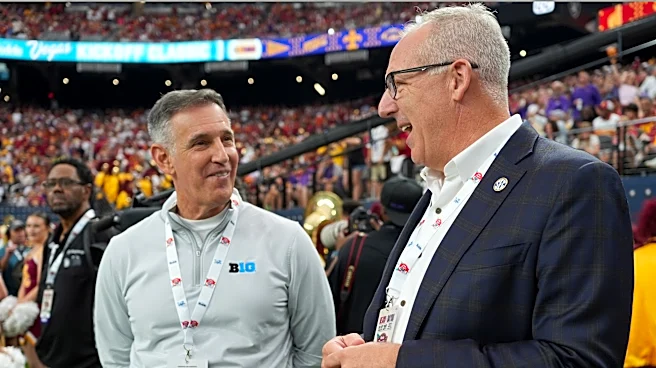
The bill faces opposition from major conferences like the SEC and Big Ten, which could influence its progression through Congress. If passed, the legislation could lead to a reevaluation of how college sports are funded and regulated. Stakeholders, including universities, student-athletes, and legal experts, will likely continue to debate the implications of the bill, particularly its impact on athlete rights and institutional accountability.