
What's Happening?
Rich Ruohonen, a 54-year-old personal injury lawyer from Brooklyn Park, Minnesota, has made history by becoming the oldest athlete to compete for the United States in the Winter Olympics. Ruohonen participated
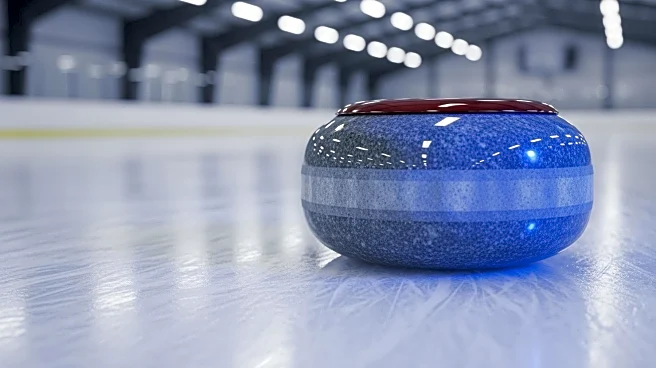
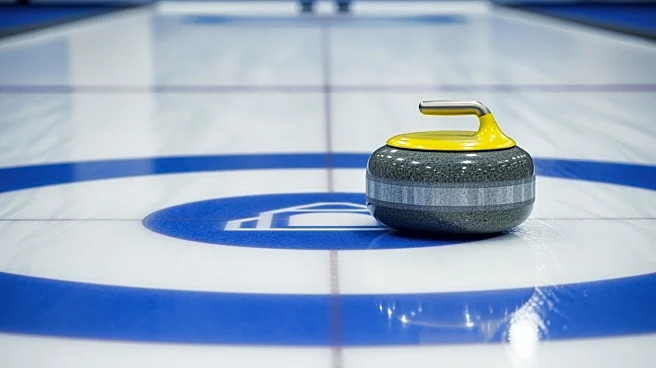
in the men's curling event during the 2026 Winter Olympics held in Cortina d'Ampezzo, Italy. Despite the U.S. team trailing 8-2 against Switzerland, Ruohonen was called in as a substitute, marking his Olympic debut. Known for his dedication, Ruohonen balances his legal career with rigorous training, often waking up at 5 a.m. to practice before heading to work. His involvement with the team extends beyond the ice, as he serves as a mentor and supportive figure to his younger teammates.
Why It's Important?
Ruohonen's participation highlights the inclusivity and diverse age range in sports, particularly in curling, where experience can be as valuable as physical prowess. His story underscores the potential for athletes to achieve significant milestones later in life, challenging traditional perceptions of age in competitive sports. This development may inspire older athletes and contribute to a broader acceptance of age diversity in sports. Additionally, Ruohonen's dual role as a lawyer and Olympian exemplifies the balance between professional careers and athletic pursuits, potentially encouraging others to pursue their passions alongside their careers.
What's Next?
Ruohonen's participation in the Olympics may lead to increased interest and participation in curling among older athletes. His story could inspire more individuals to pursue sports at any age, potentially leading to initiatives that support older athletes in training and competition. The U.S. curling team may also benefit from Ruohonen's experience and mentorship, potentially improving their performance in future competitions. As the Winter Olympics continue, Ruohonen's presence may draw attention to the sport of curling, increasing its popularity and viewership.
Beyond the Headlines
Ruohonen's journey to the Olympics highlights the evolving nature of sports, where age and experience are increasingly recognized as assets. His story may prompt discussions about the support systems needed for older athletes, including training programs and resources tailored to their needs. Additionally, Ruohonen's ability to juggle a demanding legal career with Olympic-level training could inspire changes in workplace policies to accommodate employees pursuing athletic or personal goals. This development may also influence cultural perceptions of aging, promoting a more inclusive view of what individuals can achieve at different life stages.