

What's Happening?
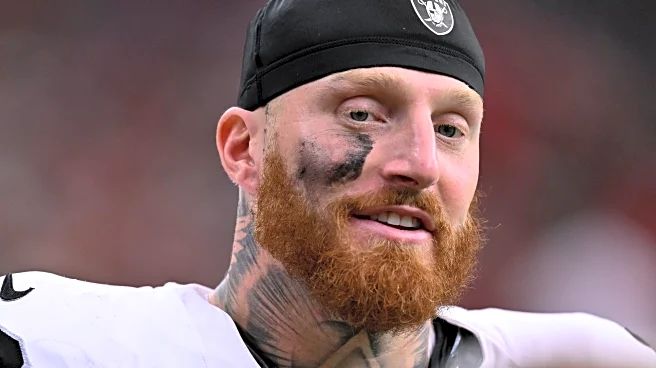
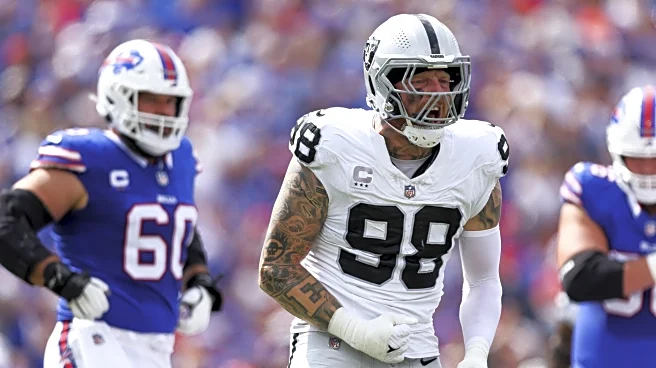
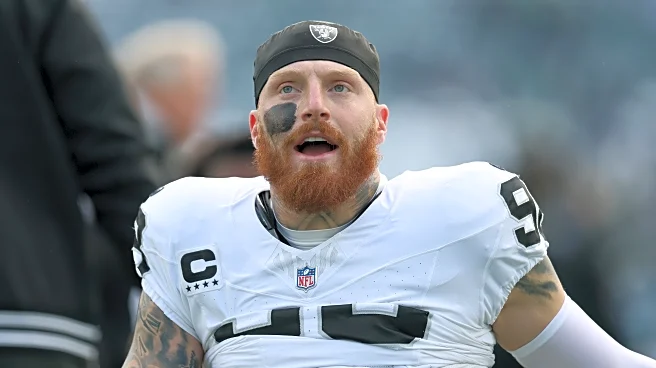
The Baltimore Ravens have reversed a trade for Maxx Crosby, a defensive end from the Las Vegas Raiders, due to concerns raised by their medical staff. The trade, which initially involved the Ravens sending first-round picks for 2026 and 2027 to the Raiders, was
nullified after Crosby's physical examination. This decision reflects a cautious approach by team doctors, reminiscent of past instances where medical evaluations have impacted player trades, such as the Miami Dolphins' decision not to sign Drew Brees in 2006 over shoulder concerns. Crosby, who recently underwent surgery for a partial meniscus tear, was expected to join the Ravens but will now remain with the Raiders. The reversal has sparked discussions about the role of medical evaluations in professional sports trades.
Why It's Important?
This development highlights the critical role of medical evaluations in the NFL, where player health can significantly impact team decisions and trade outcomes. The reversal of Crosby's trade underscores the cautious approach teams take to avoid long-term liabilities associated with player injuries. For the Ravens, this decision reflects a strategic move to protect their investment in player acquisitions. The situation also illustrates the broader implications for player careers and team dynamics, as medical concerns can alter the trajectory of trades and player placements. The incident may influence how teams approach future trades, emphasizing the importance of thorough medical assessments.
What's Next?
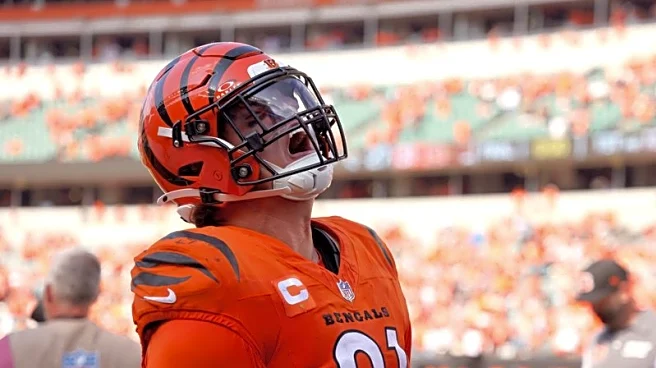
Following the trade reversal, the Raiders may continue to explore options for trading Crosby, potentially with conditions based on his health and performance. The Ravens, meanwhile, have pivoted to other options, signing edge rusher Trey Hendrickson. This situation may prompt other NFL teams to reassess their medical evaluation processes and trade strategies. The outcome of Crosby's situation could set a precedent for how teams handle similar cases in the future, potentially leading to more conditional trades based on player health metrics.
Beyond the Headlines
The reversal of the Crosby trade raises questions about the ethical considerations of player health in professional sports. Teams must balance competitive interests with the well-being of players, ensuring that medical evaluations are conducted with integrity and transparency. This incident may prompt discussions about the standards and practices of medical assessments in the NFL, potentially leading to reforms that prioritize player safety while maintaining competitive fairness. The case also highlights the potential for reputational impacts on teams involved in high-profile trade reversals.