





What's Happening?
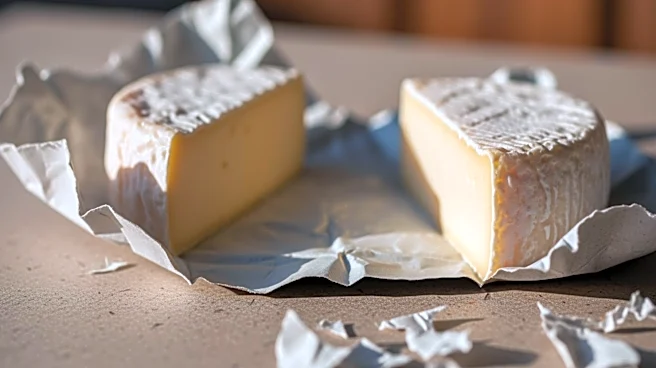
Bel Group, known for its Babybel cheese, is transitioning from plastic to paper packaging as part of a broader industry trend called 'paperisation'. This move is driven by consumer trust in paper as a more natural and recyclable material compared to plastic.
However, the transition is not without challenges. Paper packaging often requires additional barrier elements, such as plastic, to maintain product integrity, especially for wet or oily foods like cheese. This creates composite materials that complicate recycling processes. Additionally, the initial costs of paper-based solutions are higher, posing economic challenges for brands. Despite these hurdles, Bel Group is committed to using paper packaging for all Babybel products by 2027.
Why It's Important?
The shift to paper packaging is significant as it reflects growing consumer demand for sustainable packaging solutions. However, the challenges faced by Bel Group highlight the complexities involved in such transitions. The need for composite materials to ensure product quality can undermine the environmental benefits of paper packaging. Moreover, the higher costs associated with paper solutions may deter widespread adoption unless brands and retailers collaborate to achieve economies of scale. This situation underscores the importance of balancing sustainability with economic viability to ensure consumer acceptance and long-term success.
What's Next?
For the paper packaging transition to succeed, collaboration between brands, retailers, and waste management companies is crucial. Retailers can play a pivotal role by supporting the scale-up of paper packaging solutions, which can help reduce costs and improve recycling systems. As Bel Group continues its transition, other brands may follow suit, provided they can overcome similar challenges. The industry will need to innovate and develop new materials that offer both sustainability and performance to meet consumer expectations and regulatory demands.
Beyond the Headlines
The move towards paper packaging raises broader questions about the future of sustainable packaging. While paper is perceived as more environmentally friendly, the reliance on composite materials for certain products suggests that a one-size-fits-all solution may not be feasible. This highlights the need for a diverse approach to packaging materials, where the choice depends on the specific product and its requirements. Additionally, consumer education on recycling practices will be essential to maximize the environmental benefits of paper packaging.