


What's Happening?
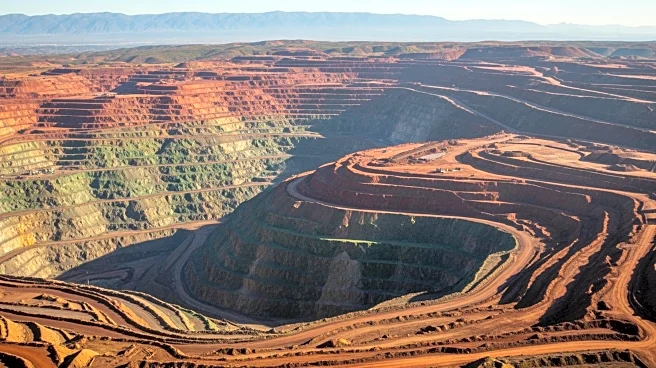
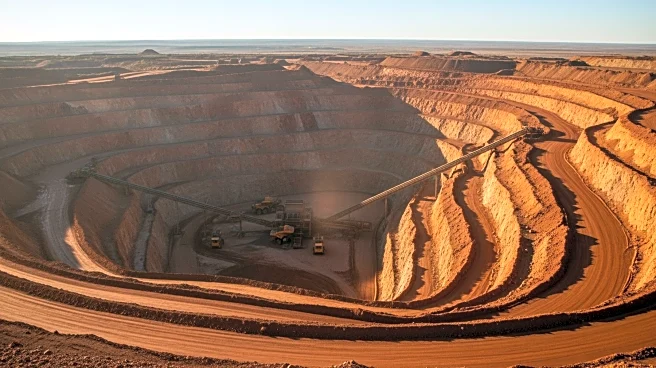
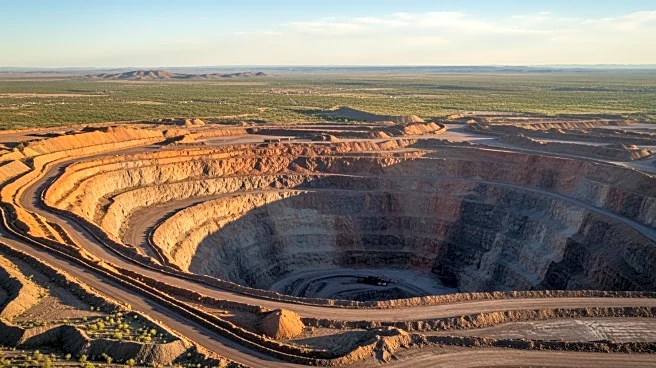
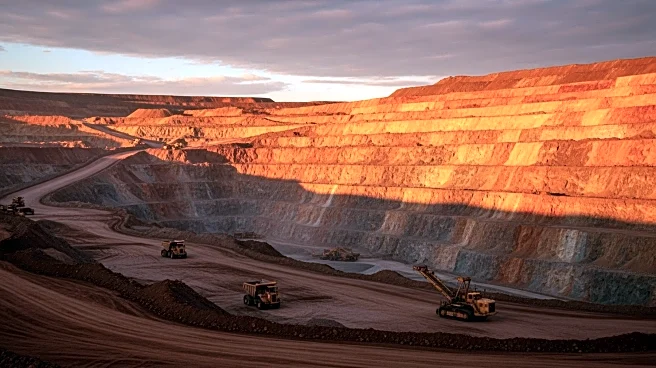
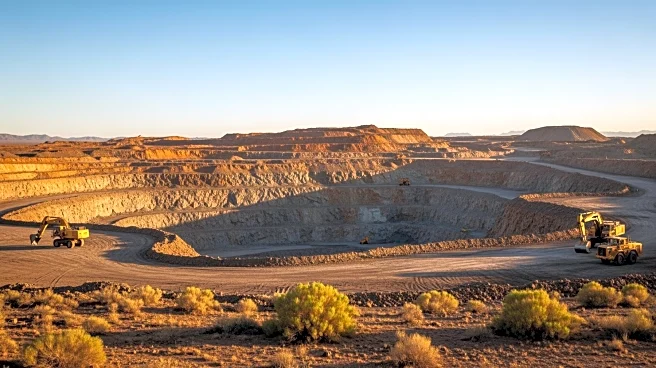
Freeport-McMoRan, a U.S.-based mining company, has applied for environmental permits to expand its El Abra copper mine in Chile. This expansion involves constructing new processing and water supply infrastructure, as well as expanding waste storage capacity.
The initiative aligns with Chilean governmental efforts to reform permitting procedures, which have historically delayed mining developments. The expansion is driven by increasing global demand for copper, particularly from sectors such as electric vehicles and data infrastructure. Despite the proposal, Freeport-McMoRan has not yet committed to the investment, which is subject to regulatory approval. If approved, the expansion could begin operations in 2033, significantly increasing the mine's annual copper production.
Why It's Important?
The expansion of the El Abra mine is significant due to the growing global demand for copper, a critical component in various industries, including renewable energy and technology. This demand is expected to rise as electric vehicles and data infrastructure continue to expand. The project could also have substantial economic implications for Chile, potentially creating jobs and boosting the local economy. For Freeport-McMoRan, the expansion represents an opportunity to increase its market share and production capacity in a competitive industry. However, the project also highlights challenges such as regulatory hurdles and environmental concerns, which could impact the timeline and feasibility of the expansion.
What's Next?
The next steps for Freeport-McMoRan involve securing regulatory approval for the expansion project. This process will likely involve negotiations with Chilean authorities to ensure compliance with environmental standards and address any potential concerns. The company will also need to finalize its investment decision, which will depend on market conditions and the regulatory environment. If approved, the expansion could set a precedent for future mining projects in Chile, influencing the country's regulatory framework and investment climate. Stakeholders, including local communities and environmental groups, may also play a role in shaping the project's outcome through advocacy and public engagement.