





What's Happening?
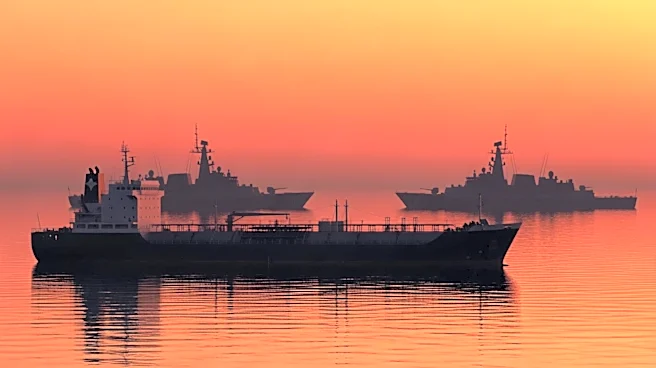
The ongoing conflict between the US and Iran has significantly disrupted global supply chains, particularly affecting the Strait of Hormuz, a critical passage for oil transportation. According to Advanced Supply Chain (ASC), these disruptions could lead
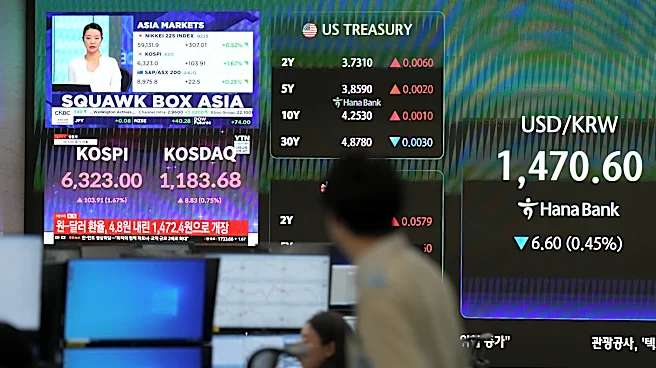
to elevated prices for consumers during the Christmas season. The company highlights that the recovery from such disruptions typically involves a two-phase adjustment process, initially stabilizing to absorb the immediate shock, followed by a longer period of rebalancing. The reopening of the Strait of Hormuz, while crucial, will not immediately resolve the backlog of delayed vessels and disrupted schedules. Stuart Greenfield, ASC's UK and European sales director, notes that the impact of the conflict has already driven oil prices above $100 a barrel, with freight rates between Asia and Europe also rising sharply.
Why It's Important?
The disruption in the Strait of Hormuz has far-reaching implications for global trade and the US economy. Retailers are particularly concerned as they face increased transport costs, which could translate into higher prices for consumers during the holiday season. This situation underscores the vulnerability of global supply chains to geopolitical tensions and highlights the need for businesses to develop more resilient logistics strategies. The potential for prolonged high prices could affect consumer spending, impacting the broader economy. Additionally, the situation serves as a reminder of the strategic importance of the Strait of Hormuz in global oil supply, influencing energy prices and economic stability worldwide.
What's Next?
If peace talks lead to the reopening of the Strait of Hormuz, it will initiate a gradual process of clearing the backlog of stranded vessels and delayed shipments. However, the full normalization of supply chains could take several months. Retailers and logistics companies will need to adapt to these challenges by exploring alternative routes and strategies to mitigate the impact on prices. Policymakers may also need to consider measures to enhance supply chain resilience against future geopolitical disruptions. The situation will likely prompt discussions on diversifying energy sources and reducing dependency on critical chokepoints like the Strait of Hormuz.