





What's Happening?
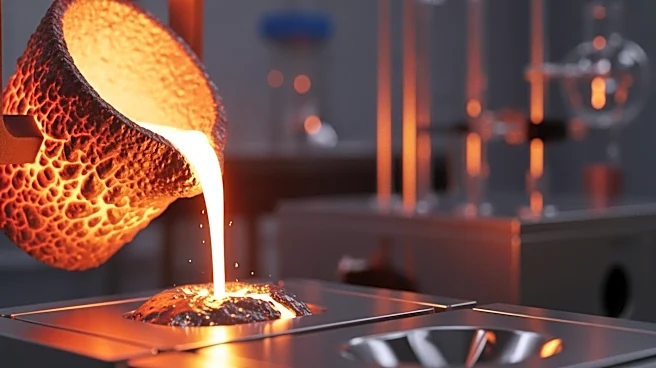
Century Aluminum has commenced hot metal production at its expanded Mt. Holly facility in South Carolina. This expansion is projected to increase U.S. primary aluminum production by 10% and is expected to reach full capacity by June 2026. The project has created
over 125 jobs and represents a significant investment in U.S. metal production. Additionally, Century Aluminum, in collaboration with Emirates Global Aluminum, plans to establish a new primary aluminum smelter in Oklahoma, which will add 750,000 tons to the nation's aluminum production capacity, effectively doubling it. This initiative is set to generate more than 1,000 direct jobs and 4,000 construction jobs. Century Aluminum's president and CEO, Jesse Gary, emphasized the importance of domestic production, citing President Trump's Section 232 aluminum tariff as a driver for record investment in American aluminum production.
Why It's Important?
The expansion of the Mt. Holly plant and the planned new smelter in Oklahoma are crucial for bolstering U.S. aluminum production capacity. This development is significant in the context of supply chain disruptions abroad, highlighting the need for a resilient domestic supply of critical metals essential to U.S. economic and national security. The investment aligns with the Bipartisan Infrastructure Law and Inflation Reduction Act, which aim to strengthen domestic industries. By increasing aluminum production, the U.S. can reduce dependency on foreign sources, enhance national security, and support economic growth through job creation and industrial development.
What's Next?
Century Aluminum's expansion efforts are set to continue with the new smelter in Oklahoma, which will further increase production capacity and job opportunities. The U.S. Department of Energy's Office of Clean Energy Demonstrations has selected Century Aluminum for negotiations to receive up to $500 million in funding for this new smelter. This financing is part of the Industrial Demonstrations Programme, supporting initiatives that enhance domestic production capabilities. As these projects progress, they may attract further investment and policy support, reinforcing the U.S. position in the global aluminum market.