



What's Happening?
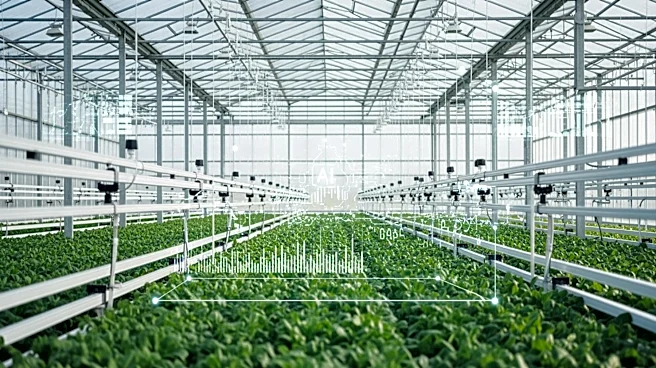
The AI in Agriculture Conference, hosted by NC State University, brought together over 460 participants to explore how artificial intelligence is reshaping the future of agriculture. The conference focused on advancing AI and data-driven innovations to enhance
productivity, profitability, and environmental stewardship in farming. Key topics included the Ag Image Repository, a collection of high-quality plant images used to develop digital agriculture tools, and workshops on AI applications for Extension agents. The event emphasized the role of AI in creating resilient and competitive agricultural systems.
Why It's Important?
The integration of AI in agriculture represents a significant advancement in farming practices, offering solutions to enhance efficiency and sustainability. By leveraging AI-enabled tools, farmers can improve crop management, livestock monitoring, and supply chain operations, leading to increased productivity and reduced environmental impact. The conference highlights the potential for AI to transform the agriculture industry, providing new opportunities for research and innovation. As AI technology continues to evolve, it could play a crucial role in addressing global food security challenges and promoting sustainable farming practices.
What's Next?
Following the conference, NC State University plans to continue its efforts to scale AI and ag tech innovations. The university is focused on creating new faculty positions dedicated to AI, upgrading equipment, and improving infrastructure to support digital agriculture research. The conference's emphasis on practical applications of AI tools suggests a growing interest in integrating technology into real-world farming practices. As AI becomes more prevalent in agriculture, stakeholders will likely explore new ways to leverage data-driven models for improved decision-making and resource management.
Beyond the Headlines
The use of AI in agriculture raises important ethical and practical considerations, including data privacy and the need for equitable access to technology. As AI tools become more integrated into farming practices, it is essential to ensure that all stakeholders, including smallholder farmers, have access to these innovations. The conference's focus on collaboration and knowledge sharing highlights the importance of building inclusive and transparent systems that benefit the entire agriculture community. This approach could lead to long-term shifts in industry standards and practices.