





What's Happening?
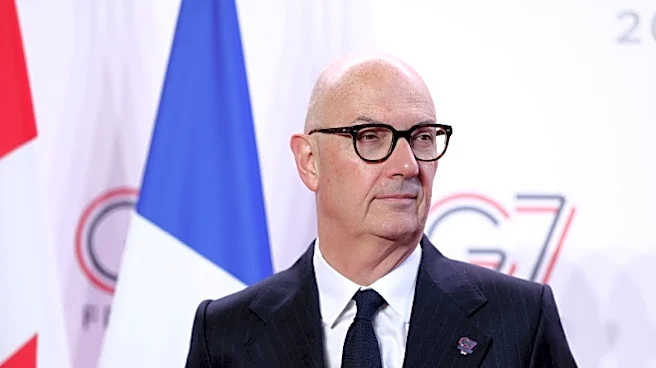
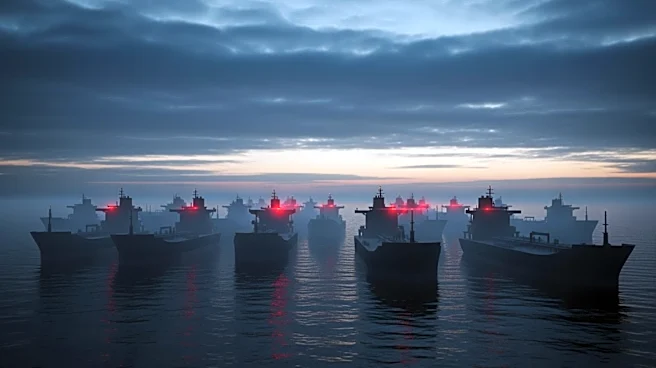
The global gas markets are facing a significant disruption due to a shock loss of LNG supply from the Middle East, according to Liz Westcott, CEO of Woodside Energy. The de facto closure of the Strait of Hormuz has trapped about 20% of daily global LNG flows,
primarily affecting shipments from Qatar and the UAE. Additionally, Iranian drone and missile strikes have damaged Qatar's Ras Laffan LNG liquefaction complex, the world's largest such facility. As a result, QatarEnergy has declared force majeure on some long-term LNG contracts, with full capacity restoration expected to take up to five years. This situation has led to increased buyer interest in LNG volumes from Woodside's newly-approved Louisiana LNG plant in the United States.
Why It's Important?
The disruption in LNG supply from the Middle East is expected to tighten global LNG markets in 2026 and 2027, contrary to earlier forecasts. This has significant implications for global energy markets, as LNG is a critical component of energy supply chains. The shortage could lead to increased energy prices and impact industries reliant on LNG, such as manufacturing and transportation. The situation underscores the vulnerability of global energy supply chains to geopolitical tensions and infrastructure attacks, highlighting the need for diversified energy sources and supply routes.
What's Next?
In response to the supply disruption, customers are seeking short-term LNG supplies to mitigate the impact. Woodside is working to secure long-term commitments for its Louisiana LNG plant, which has seen increased buyer interest. The ongoing Middle East conflict and infrastructure damage may lead to further adjustments in global LNG supply and demand balances. Stakeholders, including energy companies and governments, will need to navigate these challenges to ensure energy security and stability.