







What's Happening?
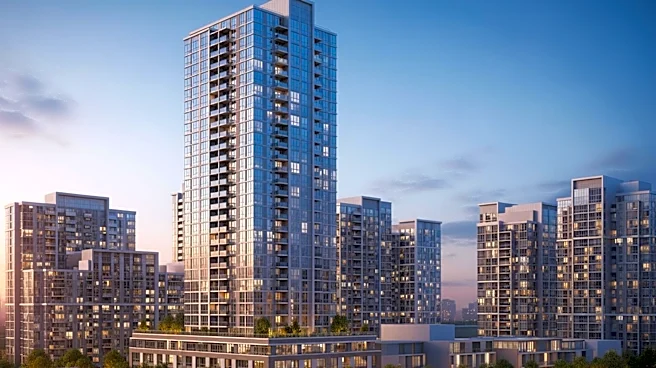
The Northeast region of the United States is experiencing a significant increase in apartment construction, which could lead to lower rental prices. According to a recent report, the first quarter of 2026 saw a 42% year-over-year increase in completed
multifamily units in the Northeast, making it the only region in the U.S. to record growth in this sector. Multifamily starts in the region nearly doubled, rising by 81% compared to the previous year. This surge is attributed to a tight for-sale housing market and solid wage growth, which are keeping rental occupancy levels high. AvalonBay Communities, a major multifamily developer, plans to invest $800 million in new projects in 2026, including significant developments in suburban New Jersey. Despite a slight dip in median asking rents across the 50 largest U.S. metros, the rental market remains competitive, with the Northeast leading in new starts and completions.
Why It's Important?
The increase in apartment construction in the Northeast is significant as it could alleviate the high rental prices that have been a burden for many residents. With more units becoming available, renters may find more affordable options, potentially easing the financial strain on households. This development is also crucial for the real estate market, as it indicates a shift towards rental properties due to the high cost of homeownership. The continued investment in multifamily housing suggests confidence in the rental market's stability, which could attract more developers and investors to the region. However, the broader U.S. market shows mixed results, with other regions facing challenges in multifamily construction, highlighting the Northeast's unique position.
What's Next?
As the Northeast continues to lead in apartment construction, the region may see a gradual decrease in rental prices as more units become available. This could prompt other regions to reassess their strategies in the multifamily housing market. Developers and investors will likely monitor the Northeast's progress closely, potentially leading to increased competition and innovation in housing solutions. Additionally, policymakers may need to consider the implications of this growth on infrastructure and community services to support the influx of new residents.