





What's Happening?
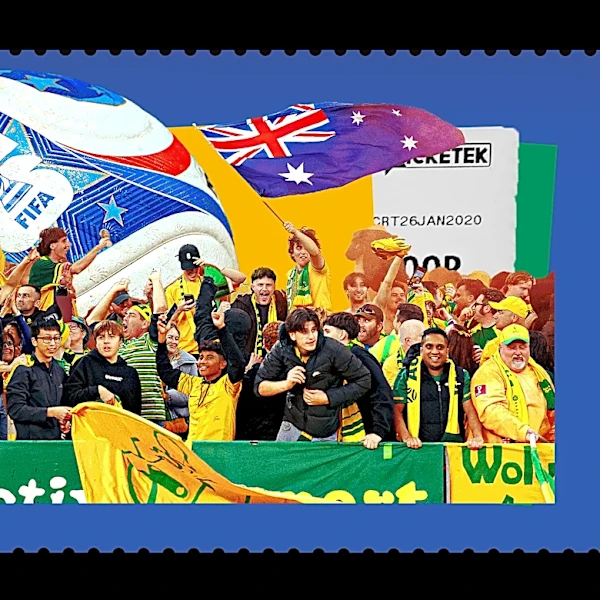
The Iranian national soccer federation has claimed that FIFA has revoked the ticket allocation for Iranian fans at the World Cup games in the United States. Each participating team is typically entitled to 8% of stadium capacity for their games, which
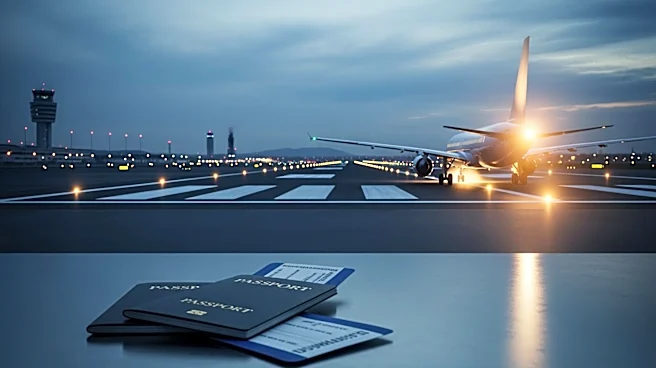
are sold to loyal fans. However, due to a U.S. travel ban on Iranians, the federation is unable to provide tickets to its supporters. This development adds to the tensions between Iranian soccer, FIFA, and the U.S., which began military actions against Iran earlier this year. FIFA is working with the Iranian federation to find solutions, but the situation remains unresolved as the World Cup approaches.
Why It's Important?
This situation highlights the intersection of sports and international politics, particularly how geopolitical tensions can impact global events like the World Cup. The revocation of tickets for Iranian fans underscores the broader implications of U.S. foreign policy and travel restrictions on international sports participation. It raises questions about the influence of political considerations on sporting events and the ability of fans to support their teams. The incident could affect the perception of the U.S. as a host nation and its commitment to ensuring access for all qualifying teams and their supporters.
What's Next?
FIFA and the Iranian soccer federation are in discussions to resolve the ticketing issue, but time is running short with the World Cup set to begin soon. The U.S. government may face pressure to address the travel ban's impact on the tournament. Additionally, the situation could lead to diplomatic discussions between the involved countries to ensure fair participation. The outcome of these negotiations will be closely watched by international sports bodies and could set a precedent for future events.
Beyond the Headlines
The revocation of tickets for Iranian fans may have long-term implications for international sports diplomacy. It highlights the challenges of hosting global events in politically charged environments and the need for clear policies that separate sports from political conflicts. This incident could prompt FIFA and other sports organizations to reevaluate their criteria for host countries and the measures needed to ensure inclusivity and fairness in international competitions.