



What's Happening?
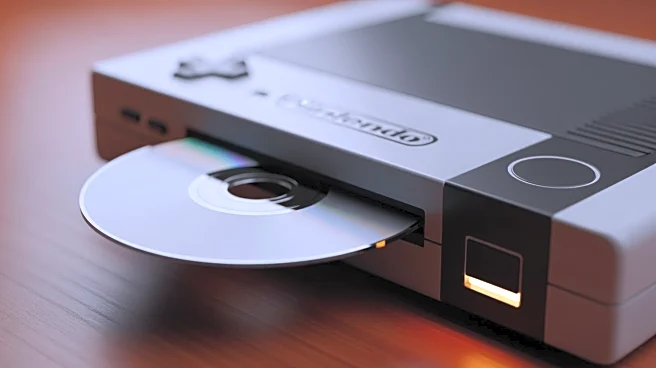
The National Videogame Museum (NVM) has announced the acquisition of a rare Nintendo PlayStation prototype, known as the Sony MSF-1. This artifact is the oldest known existing Nintendo PlayStation hardware and was originally developed as a prototype for
Sony's planned Super Nintendo CD attachment. The acquisition was announced via a Twitter/X post by the NVM, highlighting the significance of this unique piece of video game history. The Nintendo PlayStation was the result of a collaboration between Sony and Nintendo in the early 1990s, led by Sony's Ken Kutaragi. The partnership aimed to create a Super Nintendo attachment capable of playing CD-ROMs. However, tensions arose due to Nintendo's simultaneous partnership with Phillips for a similar project, leading to the dissolution of the collaboration. Despite the project's failure, Sony's work on the prototype laid the groundwork for the development of the PlayStation 1. The NVM's acquisition of this prototype is significant as it is the original development system and the only one of its kind.
Why It's Important?
The acquisition of the Nintendo PlayStation prototype by the National Videogame Museum is a significant event for the preservation of video game history. This artifact represents a pivotal moment in the gaming industry, marking the transition from cartridge-based systems to CD-ROM technology. The collaboration between Sony and Nintendo, although ultimately unsuccessful, was instrumental in shaping the future of gaming consoles. The prototype's existence highlights the innovative spirit and technological advancements of the early 1990s. By acquiring this rare piece, the NVM ensures that it will be preserved and accessible to the public, allowing enthusiasts and historians to explore the origins of modern gaming consoles. This acquisition also underscores the importance of preserving historical artifacts in understanding the evolution of technology and entertainment.
What's Next?
With the acquisition of the Nintendo PlayStation prototype, the National Videogame Museum plans to display the artifact for public viewing. This will provide visitors with a unique opportunity to witness a piece of gaming history that played a crucial role in the development of modern consoles. The museum's efforts to preserve and showcase such rare items contribute to the broader understanding of technological advancements in the gaming industry. As more people gain access to this artifact, it may inspire further research and interest in the history of video game development. Additionally, the museum's acquisition may encourage other institutions to seek out and preserve similar historical artifacts, ensuring that the legacy of early gaming innovations is maintained for future generations.