
What's Happening?
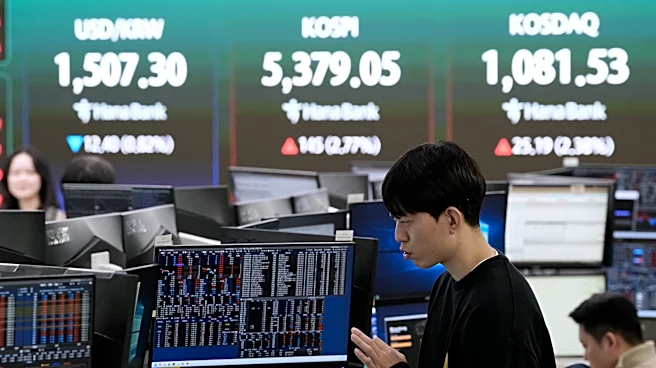
Asian markets experienced gains as investors monitored the ongoing conflict in Iran and its impact on oil prices. The Nikkei 225 and Kospi indices rose, while trading in other regions was closed for holidays.
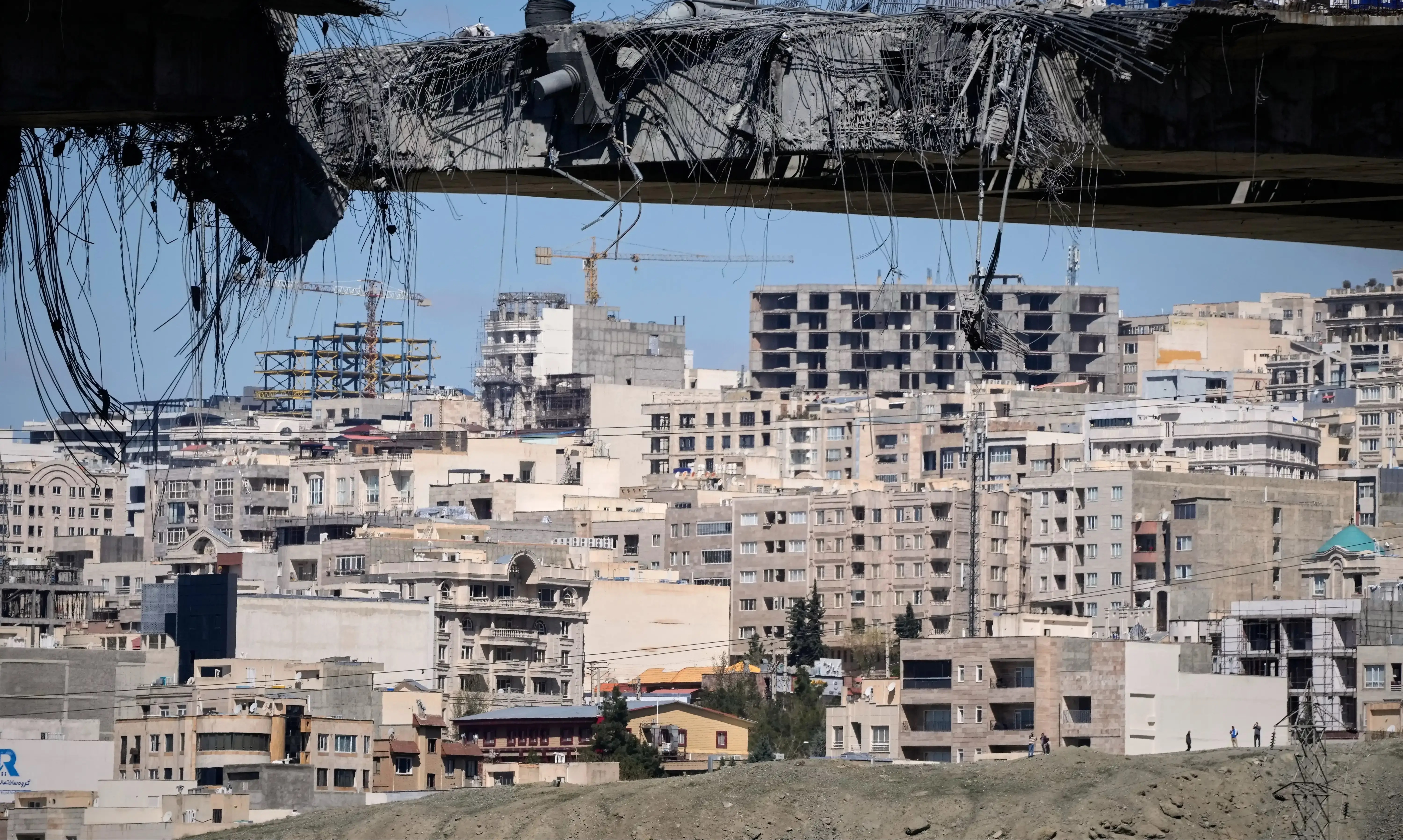
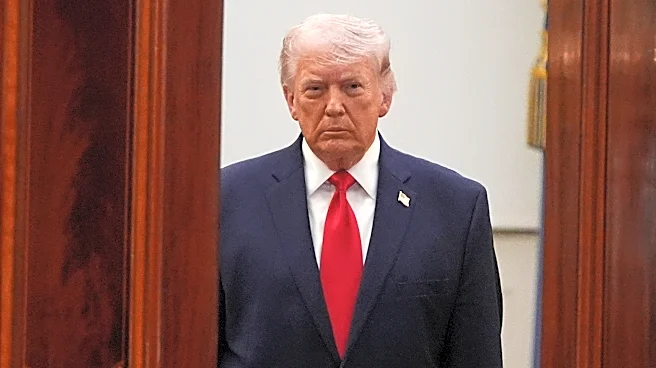
President Trump's threats to Iran over the Strait of Hormuz have contributed to rising oil prices, with concerns about the potential for further escalation. The situation has prompted countries like Japan and South Korea to explore alternative oil transport routes.
Why It's Important?
The closure of the Strait of Hormuz and rising oil prices have significant implications for global markets, particularly for countries reliant on oil imports. The situation highlights the interconnectedness of global economies and the potential for geopolitical conflicts to impact financial stability. The response of Asian markets reflects investor concerns about the duration and outcome of the conflict, with potential consequences for global trade and economic growth.
What's Next?
As the deadline for Iran to reopen the Strait of Hormuz approaches, markets will continue to react to developments in the conflict. Countries affected by rising oil prices may seek alternative energy sources and routes, potentially reshaping global energy markets. The outcome of the situation could influence future geopolitical strategies and economic policies.