


What's Happening?
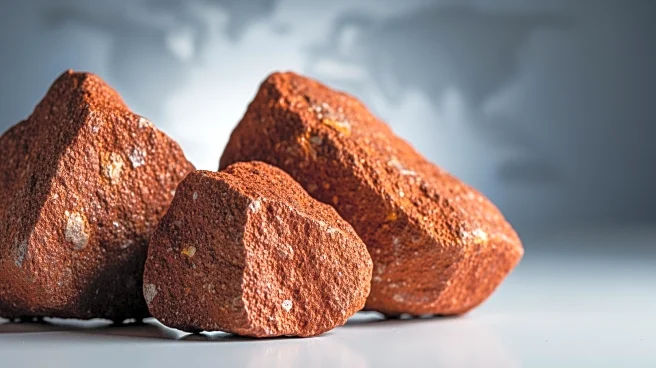
Guinea has significantly increased its bauxite exports to China, reaching 127.11 million tonnes in the first ten months of 2025, marking a 38.47% increase from the previous year. This surge has resulted in Guinea accounting for 74% of China's bauxite imports during this period. The influx of Guinean bauxite has led to an oversupply in Chinese alumina refineries, causing a drop in alumina prices. Fastmarkets analysis suggests that this trend of oversupply and price pressure is likely to persist in the near term. To manage costs, some traders in Shanghai are opting to separate ore and freight costs by chartering their own vessels. Meanwhile, Guinea's state-owned Nimba Development Co has shipped 600,000 tonnes of bauxite by early December and plans
to increase output to 10 million tonnes by 2026.
Why It's Important?
The increased bauxite exports from Guinea to China have significant implications for the global alumina market. The oversupply situation is putting pressure on alumina prices, which could affect the profitability of refineries and related industries. This development highlights the interconnectedness of global supply chains and the impact of one country's export strategy on international markets. For U.S. stakeholders, particularly those in the aluminum industry, these price fluctuations could influence raw material costs and supply chain strategies. Additionally, the focus on cost management and transparency by traders could lead to shifts in shipping and logistics practices, potentially affecting global freight markets.
What's Next?
As the oversupply situation continues, stakeholders in the alumina market will likely focus on strategies to manage costs and stabilize prices. This could involve increased collaboration between exporters and importers to better align supply with demand. Additionally, the launch of a new FOB Guinea bauxite price by Fastmarkets may provide more transparency and help stakeholders make informed decisions. The ongoing expansion of Guinea's bauxite production capacity suggests that the country will continue to play a major role in the global bauxite market, potentially influencing future trade dynamics and pricing structures.