



What's Happening?
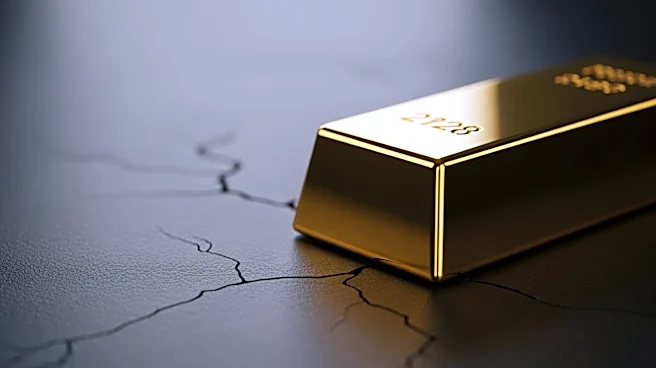
Gold prices have recently dropped below $4,700 per ounce, following a significant 40% surge in late 2025 and early 2026. This decline is attributed to a 'digestion' phase rather than a sign of weakness, as explained by experts. The precious metal's value
remains supported by central bank demand and geopolitical risks, despite rising real yields and currency fluctuations. The ongoing conflict in Iran and uncertainty over the Federal Reserve's leadership are contributing to the market's cautious stance. Silver, mirroring gold's movements, has shown higher volatility, with recent price spikes linked to developments in the Strait of Hormuz. Analysts suggest that gold is likely to remain in a plateau phase unless there is a significant change in the rates cycle or a major macroeconomic shock.
Why It's Important?
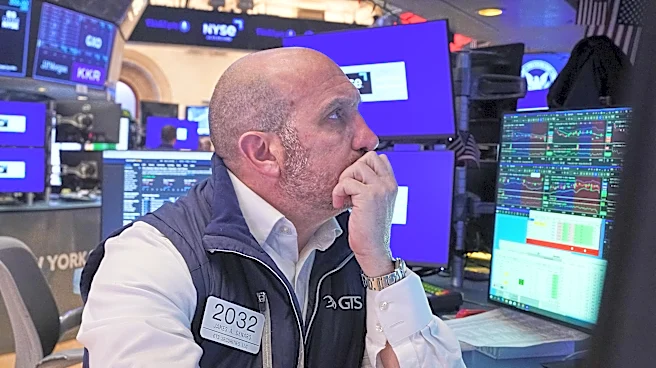
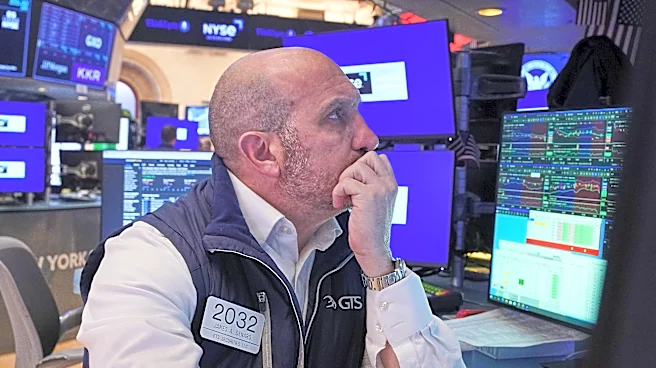
The fluctuation in gold prices is significant for investors and the broader financial market, as gold is often seen as a safe-haven asset during times of geopolitical uncertainty. The current plateau in gold prices reflects the market's cautious approach amid ongoing geopolitical tensions and economic uncertainties. This situation impacts investors' strategies, particularly those involved in commodities trading. The potential for further volatility in gold and silver prices could influence investment decisions and market dynamics, affecting stakeholders ranging from individual investors to large financial institutions.
What's Next?
The future of gold prices will likely depend on geopolitical developments, particularly in the Middle East, and economic indicators such as interest rates and currency strength. Investors will be closely monitoring these factors to adjust their strategies accordingly. A significant change in the Federal Reserve's policies or a resolution to the Iran conflict could lead to shifts in gold's market dynamics. Additionally, any major economic shocks or changes in central bank policies could alter the current plateau, leading to new trends in gold pricing.