



What's Happening?
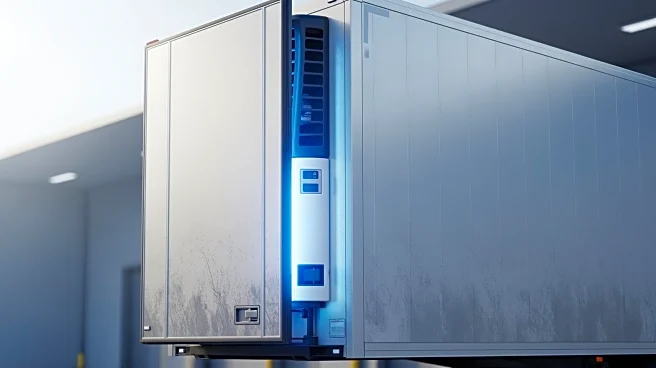
Refrigerated fleets are navigating challenges posed by low freight volumes and rates, alongside evolving transport refrigeration technology. Industry experts emphasize the importance of investing in quality equipment despite cost pressures. Electrification of transport refrigeration units (TRUs) is seen as a beneficial transition, offering quieter, more reliable operations and cost savings through reduced emissions. The industry is also focusing on training technicians to handle advanced electrical systems, as modern TRUs require more technical expertise. Efforts are being made to attract younger generations to the industry by highlighting the technological aspects and sustainability contributions of the field.
Why It's Important?
The transition to electrified TRUs
represents a significant shift in the refrigerated transport sector, with implications for operational efficiency and environmental impact. As fleets adopt new technologies, they can reduce costs and emissions, aligning with broader sustainability goals. The industry's ability to attract and train skilled technicians is crucial for maintaining and advancing these technologies. This evolution supports the critical role of refrigerated transport in food and pharmaceutical supply chains, ensuring the safe and efficient delivery of perishable goods.
What's Next?
Refrigerated fleets are expected to continue investing in electrification and advanced training programs for technicians. The industry will likely see increased collaboration with educational institutions to develop specialized training curricula. As technology advances, fleets will need to balance cost considerations with long-term benefits, focusing on sustainability and operational efficiency. The ongoing development of infrastructure to support electrified TRUs will also be a key area of focus.