
What's Happening?
Taylor Swift has filed three new trademarks as a legal strategy to protect her image and voice from unauthorized use in AI-generated content. Trademark attorney Josh Gerben discussed the implications of
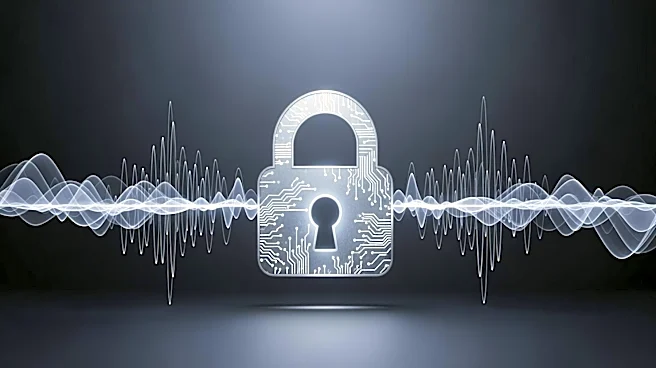
these filings with the New York Times Dealbook. The trademarks are intended to provide Swift with legal grounds to challenge deepfakes that use her likeness or voice without permission. Gerben explained that the right to publicity law could be a potential defense, as it prohibits the unauthorized commercial use of a person's image or voice. However, the courts have not yet extensively addressed this issue, leaving the legal landscape uncertain. By trademarking her voice, Swift aims to establish a broader legal framework to combat confusingly similar imitations, even if they are not exact copies.
Why It's Important?
The move by Taylor Swift highlights the growing concern among celebrities and brand owners about the misuse of AI technology to create deepfakes. These digital manipulations can damage reputations and infringe on intellectual property rights. Swift's proactive legal approach could set a precedent for other public figures seeking to protect their likenesses. The outcome of any legal challenges based on these trademarks could influence future cases and shape the legal standards for AI-generated content. This development underscores the need for updated legal frameworks to address the challenges posed by rapidly advancing technology.
What's Next?
As the legal community watches closely, the effectiveness of Swift's trademarks in court will be pivotal. If successful, it could encourage more celebrities to pursue similar legal protections. The entertainment industry and legal experts will likely monitor any litigation that arises from these trademarks to assess their impact on intellectual property law. Additionally, the broader implications for AI regulation and the protection of personal rights in the digital age may prompt legislative discussions.