






What's Happening?
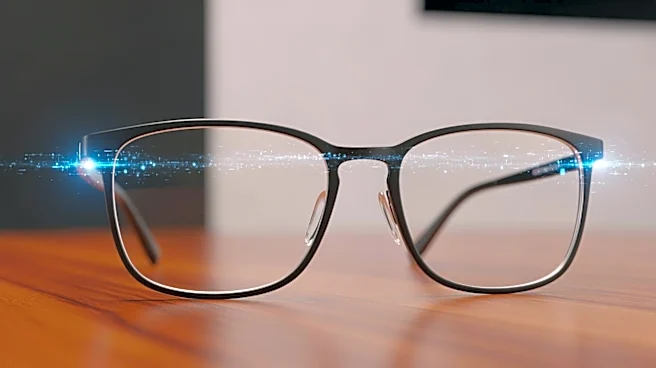
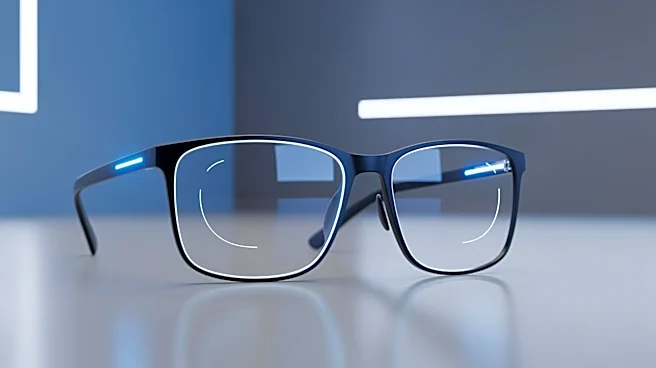
Meta has announced the launch of new Ray-Ban smart glasses, priced at $499, set to be available for U.S. preorders starting April 14, 2026. These glasses, named Blayzer and Scriber, are prescription-ready and feature AI-powered capabilities. The introduction
of these glasses has sparked significant privacy concerns due to their potential for constant image capture and data processing. Privacy advocates are worried about the implications of wearable cameras and AI, as these devices could shift from niche technology to everyday use. The glasses are part of Meta's strategy to integrate hardware with social data and AI services, aiming to make such technology more mainstream.
Why It's Important?
The launch of these smart glasses is significant as it represents a shift in the wearable technology market from specialized devices to products intended for everyday use. This move could accelerate the adoption of augmented reality (AR) technology, impacting industries such as fashion, healthcare, and consumer electronics. However, the potential for these devices to capture and store images continuously raises serious privacy concerns. Regulators may need to address these issues by implementing new rules regarding data capture and retention. The widespread adoption of such technology could lead to increased scrutiny and regulatory challenges for companies like Meta.
What's Next?
As these smart glasses become available, it is expected that privacy campaigns will intensify, and regulatory bodies may experiment with new rules at both local and national levels. The adoption rate of these devices will likely influence the urgency and nature of regulatory responses. If the market for smart glasses grows as anticipated, with shipments expected to reach 13.4 million units by 2026, lawmakers will face pressure to establish clear guidelines for their use. The debate will center around balancing consumer convenience with privacy protection, potentially leading to new legislation and industry standards.