






What's Happening?
A shipment of oil from the U.S. Strategic Petroleum Reserve has been sent to California for the first time, as reported by ship tracking service Kpler. This move comes in response to the disruption of Middle Eastern oil supplies due to ongoing conflict
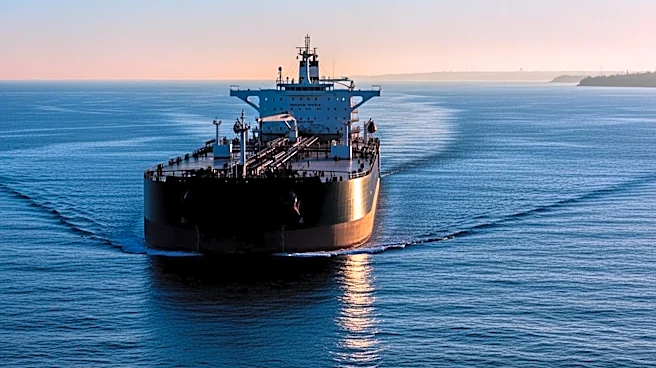
in the region. California, which has become increasingly reliant on crude imports, particularly from the Middle East, is facing challenges in securing alternative sources due to high demand from Asia. The shipment included approximately 460,000 barrels of Bayou Choctaw Sweet crude delivered to Chevron's Richmond refinery and an additional 50,000 barrels to the El Segundo refinery. The oil was transported via the supertanker Pascagoula Voyager, which was co-loaded with Guyana's Unity Gold crude oil. This strategic release highlights the shifting trade flows and the impact of geopolitical tensions on global oil supply chains.
Why It's Important?
The redirection of oil from the U.S. Strategic Petroleum Reserve to California underscores the significant impact of geopolitical conflicts on energy security and supply chains. California's dependency on Middle Eastern oil imports makes it vulnerable to disruptions, which can lead to increased energy costs and potential shortages. The strategic release of oil reserves is a critical measure to stabilize supply and mitigate the economic impact of such disruptions. This situation also highlights the broader implications for global oil markets, as countries compete for limited resources, potentially driving up prices and affecting economic stability. The reliance on strategic reserves indicates the need for diversified energy sources and increased domestic production to enhance energy security.
What's Next?
The ongoing conflict in the Middle East and the resulting supply disruptions may prompt further strategic releases from oil reserves if the situation persists. California and other states may need to explore alternative energy sources or increase domestic production to reduce dependency on volatile foreign supplies. Additionally, the geopolitical landscape may influence future trade agreements and energy policies, as countries seek to secure stable and reliable energy sources. The situation also calls for increased investment in renewable energy and infrastructure to reduce reliance on fossil fuels and enhance energy resilience.