






What's Happening?
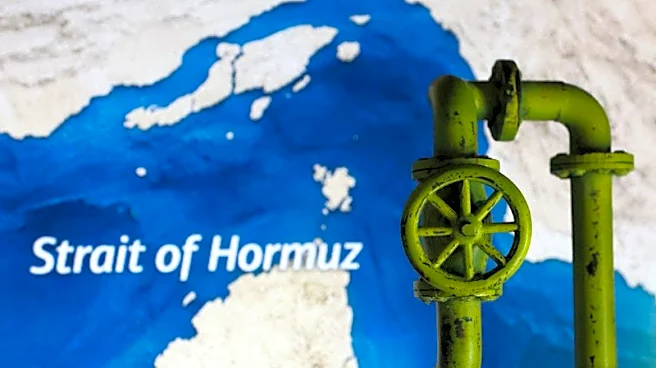
Danone's CEO, Antoine de Saint-Affrique, has expressed concerns over potential price hikes due to the ongoing conflict in Iran, which has led to significant inflationary pressures. The conflict has resulted in the effective closure of the Strait of Hormuz,
a critical passage for global oil supply, causing energy prices to surge. This situation has also led to increased costs for fertilizers and shipping. The CEO stated that while Danone has not yet decided to raise prices, the uncertainty surrounding the conflict's duration could impact the company's operations and cost base. The International Monetary Fund has warned that even a swift resolution to the conflict would still result in higher inflation and weaker economic growth. The UK's Food and Drink Federation has revised its food inflation forecast to at least 9% by the end of the year, the highest since 2023.
Why It's Important?
The ongoing conflict in Iran and the resulting economic disruptions highlight the vulnerability of global supply chains to geopolitical tensions. The potential for increased prices in essential goods like food and energy could have widespread implications for consumers and businesses alike. In the U.S., rising oil prices have already led to higher gasoline costs, affecting transportation and logistics sectors. Companies like Danone, which rely on stable supply chains and predictable costs, may face challenges in maintaining profitability without passing costs onto consumers. This situation underscores the interconnectedness of global markets and the potential for regional conflicts to have far-reaching economic impacts.
What's Next?
The next steps depend heavily on the geopolitical developments in the Middle East. If the Strait of Hormuz remains closed, continued disruptions in oil supply could exacerbate inflationary pressures. Businesses may need to reassess their supply chain strategies and consider alternative sources or routes to mitigate risks. Governments and international organizations might also engage in diplomatic efforts to stabilize the region and ensure the free flow of goods. Companies like Danone will likely monitor the situation closely and adjust their pricing strategies accordingly, balancing the need to cover increased costs with the potential impact on consumer demand.