



What's Happening?
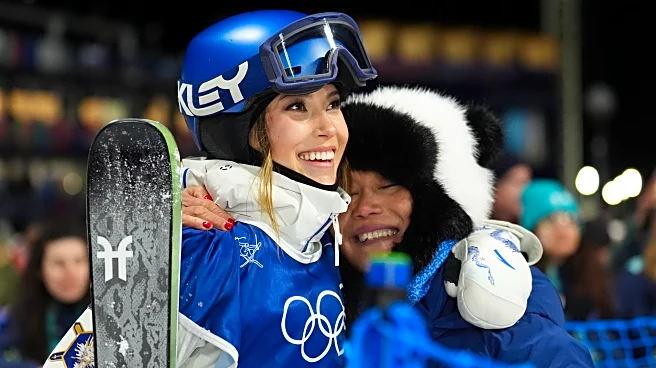
Eileen Gu, a prominent freestyle skier, has expressed dissatisfaction with the scheduling of events at the 2026 Milan Cortina Olympics, which she claims has hindered her training opportunities. Gu, who competes for China, is participating in three disciplines: slopestyle, halfpipe, and big air. She recently secured a silver medal in slopestyle and is preparing for the big air final. However, the scheduling of the big air final coincides with halfpipe training, limiting her practice time compared to her competitors. Gu reached out to the International Ski and Snowboard Federation (FIS) to request additional training time, but her request was denied to maintain fairness for all athletes. Gu argues that the current schedule punishes athletes who attempt
multiple events, as it restricts their ability to train adequately for each discipline.
Why It's Important?
The issue raised by Eileen Gu highlights the challenges faced by multi-discipline athletes in the Olympics, where scheduling conflicts can impact their performance. This situation underscores the need for Olympic organizers to consider the unique demands of athletes competing in multiple events. The decision by FIS not to adjust the schedule could influence future discussions on how to accommodate athletes who push the boundaries by participating in several disciplines. The outcome of this situation may affect how Olympic events are scheduled in the future, potentially leading to changes that ensure fair training opportunities for all competitors. Gu's experience also brings attention to the broader debate about how the Olympics can better support athletes striving for excellence across multiple sports.
What's Next?
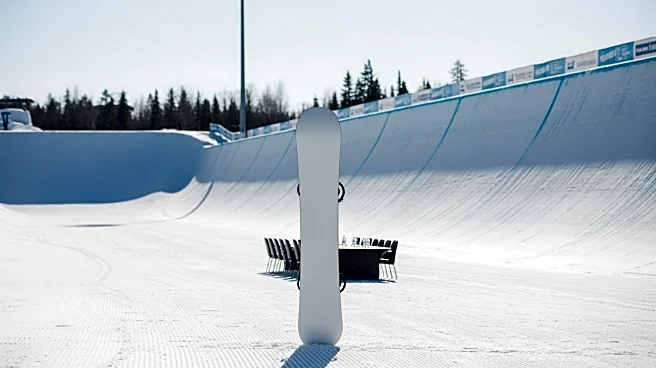
Following the big air final, Eileen Gu will compete in the halfpipe qualifiers on Thursday, with the final scheduled for Saturday. This timeline means Gu will have limited time to prepare for the halfpipe event, potentially affecting her performance. The outcome of her participation in these events could influence future Olympic scheduling policies, especially if other athletes voice similar concerns. Stakeholders, including athletes, coaches, and sports federations, may engage in discussions to advocate for more flexible scheduling that accommodates the needs of multi-discipline competitors. The response from the Olympic community and any subsequent policy changes will be closely watched by athletes and sports organizations worldwide.