


What's Happening?
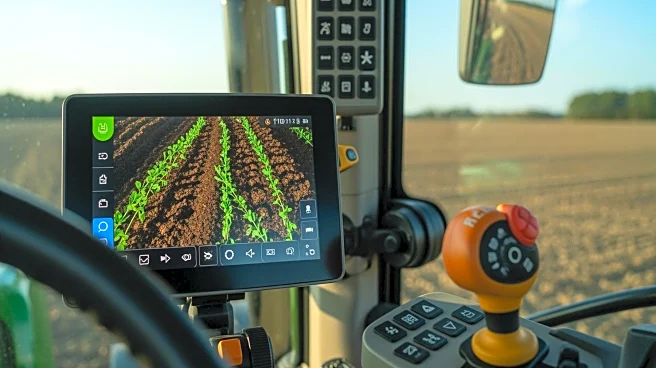
Recent discussions in the precision farming industry have focused on advancements in technology and their applications in agriculture. The FarmCast podcast featured Mike Wemhoff and Troy Randall from 21st Century Equipment, addressing questions about
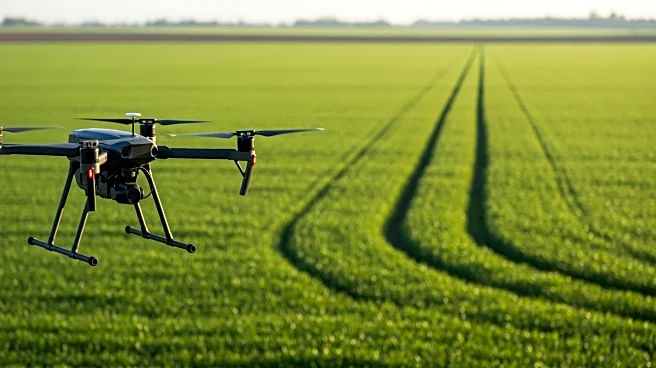
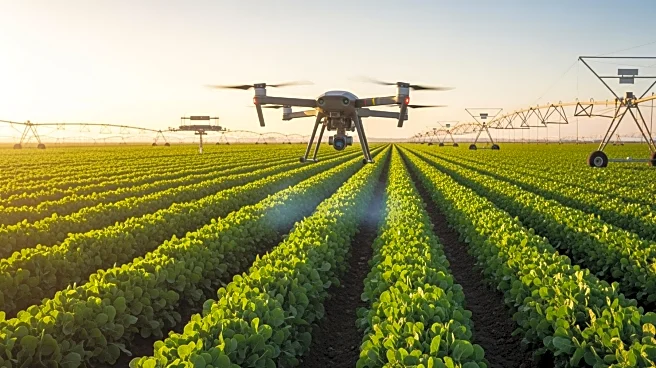
Deere precision technology, particularly regarding equipment autonomy. The Precision Planting Winter Conference showcased innovations aimed at improving crop yield through better planting techniques. Additionally, virtual fencing technology was a key topic at the National No-Tillage Conference, highlighting its potential to revolutionize livestock management. A notable development is the creation of GrazeMate, an autonomous drone company founded by 19-year-old Sam Rogers, which recently secured $1.2 million in funding to address labor shortages in livestock management.
Why It's Important?
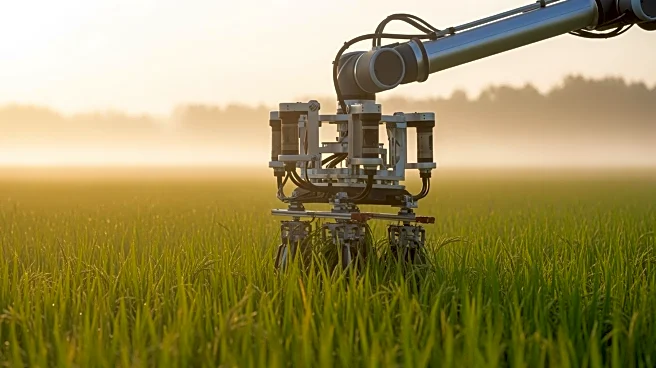
These technological advancements in precision farming are significant for the agricultural industry, as they promise to enhance efficiency and productivity. The focus on autonomy and AI in farming equipment addresses labor shortages and aims to optimize resource use. Innovations in planting technology can lead to higher crop yields, which is crucial for meeting the growing food demand. Virtual fencing and autonomous drones offer new solutions for livestock management, potentially reducing costs and improving animal welfare. These developments reflect a broader trend towards integrating technology in agriculture, which could transform traditional farming practices and improve sustainability.
What's Next?
The adoption of these technologies in the agricultural sector is likely to continue growing, driven by the need for increased efficiency and sustainability. Farmers and agricultural businesses may invest more in precision technology to remain competitive. The success of companies like GrazeMate could inspire further innovation and investment in agricultural technology startups. As these technologies become more widespread, there may be increased collaboration between tech developers and farmers to tailor solutions to specific agricultural needs. Regulatory bodies may also need to address new challenges related to the use of autonomous equipment and AI in farming.