



What's Happening?
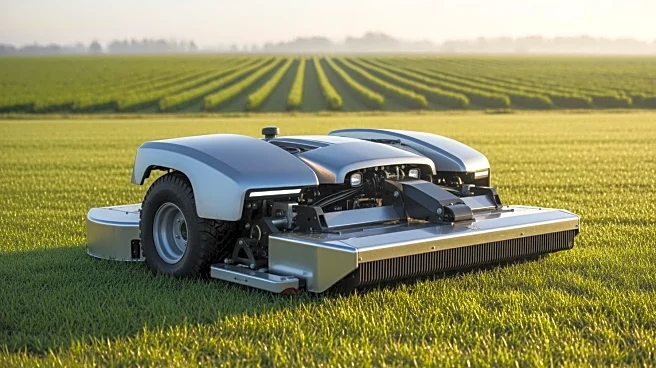
Taiwan-based Megago Tech has unveiled an Intelligent Autonomous Electric Mower to tackle labor shortages in Japan's agricultural sector. As Japan faces a demographic shift towards a super-aged society, the need for innovative solutions in agriculture has become critical. Megago Tech's mower, showcased at J-AGRI TOKYO 2025, features advanced autonomous navigation and environmental sensing technologies. It operates without human intervention, significantly reducing labor costs and time while efficiently managing large-scale mowing tasks. The mower integrates Electric Power Steering (EPS), GPS, and multi-sensor positioning for route planning and autonomous operation. Additionally, it employs LiDAR-based sensing for real-time obstacle detection
and avoidance, ensuring safety and efficiency. The mower also includes a remote management platform for monitoring operations, enhancing overall productivity.
Why It's Important?
The introduction of autonomous technology in agriculture by Megago Tech is significant as it addresses the pressing issue of labor shortages in Japan's aging society. By automating labor-intensive tasks, the technology not only reduces dependency on human labor but also enhances efficiency and precision in farming operations. This innovation could lead to increased productivity and sustainability in agriculture, potentially setting a precedent for other countries facing similar demographic challenges. The integration of smart technologies in agriculture aligns with global trends towards automation and digitalization, promising a more sustainable and efficient future for the industry.
What's Next?
Megago Tech plans to continue advancing its smart agriculture technologies, focusing on automation and intelligence in farming operations. The company aims to create a comprehensive smart agriculture ecosystem that connects field operations with agricultural logistics. This initiative is part of a broader vision to drive the industry towards a greener, smarter, and net-zero future. As the technology gains traction, it may prompt further innovations and adaptations in the agricultural sector, potentially influencing policy and investment in smart farming solutions.
Beyond the Headlines
The deployment of autonomous mowers in agriculture raises important considerations regarding the future of work and the role of technology in traditional industries. While automation can alleviate labor shortages, it also necessitates a shift in workforce skills and training. The ethical implications of replacing human labor with machines must be addressed, ensuring that technological advancements benefit society as a whole. Additionally, the environmental impact of such technologies, particularly in terms of energy consumption and sustainability, will be crucial in determining their long-term viability.