



What's Happening?
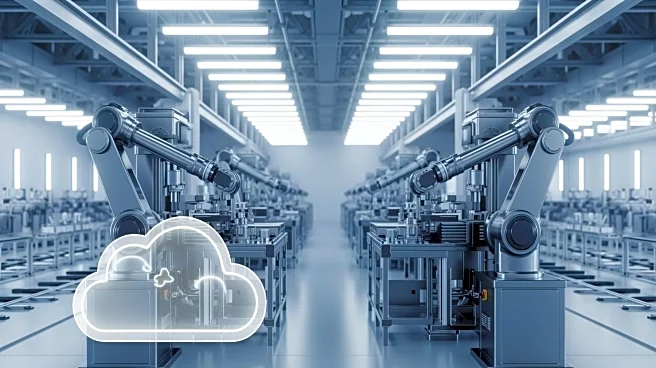
JVCKENWOOD Corporation has selected IFS Cloud as its new ERP and MES platform to modernize its global manufacturing operations. This strategic move aims to leverage Industrial AI for real-time, data-driven decision-making and to eliminate operational
silos. The implementation, in partnership with Dream Incubator, will be rolled out across JVCKENWOOD's manufacturing sites in Japan and internationally. The new platform will consolidate various business processes, including finance, supply chain, and manufacturing, into a unified system. This transformation is expected to enhance operational standardization, visibility, and scalability, positioning JVCKENWOOD to better compete in the mobility and electronics sectors.
Why It's Important?
The adoption of IFS Cloud represents a significant step for JVCKENWOOD in addressing the challenges of supply chain volatility and manufacturing complexity. By integrating AI-powered capabilities, the company aims to improve efficiency and competitiveness in a rapidly evolving market. This move reflects a broader trend in the manufacturing industry towards digital transformation and the use of advanced technologies to optimize operations. The successful implementation of this platform could serve as a model for other companies seeking to modernize their systems and improve their global competitiveness.
What's Next?
JVCKENWOOD plans to begin pilot operations of the new system in April 2027. The company will focus on ensuring a smooth transition from its legacy systems to the new platform, which may involve training employees and refining processes. As the implementation progresses, JVCKENWOOD will likely assess the impact of the new system on its operations and make necessary adjustments. The success of this initiative could lead to further investments in technology and innovation, as well as potential collaborations with other industry players.
Beyond the Headlines
The shift to a cloud-based ERP and MES platform highlights the increasing importance of digital transformation in the manufacturing sector. This move could drive further advancements in AI and machine learning applications within the industry, leading to more efficient and sustainable manufacturing practices. Additionally, the focus on standardization and transparency may influence corporate governance and operational strategies, promoting a culture of continuous improvement and innovation.