





What's Happening?
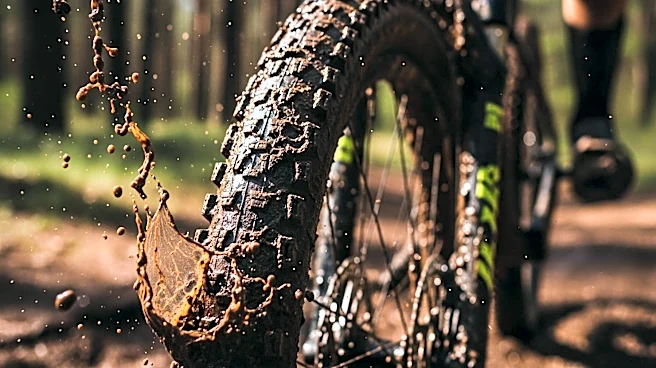
The Unbound 200, a prominent gravel cycling race, encountered significant challenges early on due to muddy conditions. Within the first hour and approximately 15 miles into the race, many elite male riders were forced to dismount and carry their bikes
as mud clogged their wheels. Some riders attempted to find alternative routes through grassy areas, but the majority struggled with the conditions, using paint sticks to clear mud from their bikes. The mud quickly fragmented the field, impacting competitors like 2023 Australian champion Connor Sens. Defending champion Cameron Jones and others saw the mud as an opportunity to make the race more individualistic rather than team-oriented. The Specialized Off-road team, including Keegan Swenson, Matt Beers, and Mads Würtz Schmidt, faced difficulties, with Swenson initially left behind due to the mud. In the women's race, which started later, the conditions were slightly less chaotic, but still caused significant splits, forming a lead group of about 10 riders.
Why It's Important?
The early mud challenges at the Unbound 200 highlight the unpredictable nature of gravel racing and its impact on race dynamics. The conditions forced riders to adapt quickly, testing their resilience and strategy. For teams like Specialized Off-road, the mud disrupted their tactical plans, emphasizing the importance of individual performance over team strategies in such conditions. The race's outcome could influence team preparations and equipment choices for future events, as teams may need to prioritize versatility and adaptability. Additionally, the event underscores the growing popularity and challenges of gravel racing, attracting attention from both competitors and sponsors, potentially influencing the sport's development and investment.
What's Next?
As the race progresses, competitors will need to continue adapting to the challenging conditions. Teams and riders may reassess their strategies, focusing on individual strengths and resilience. The outcome of the race could lead to discussions on equipment improvements, such as better mud-resistant gear, and influence future race planning. Organizers might consider alternative routes or contingency plans for adverse weather conditions in future editions. The performance of riders in these conditions could also impact their standings and reputations within the gravel racing community, affecting sponsorships and team dynamics.