






What's Happening?
Mitchell Hooper, the reigning World's Strongest Man, emphasizes the effectiveness of short, focused workouts for building strength and muscle. Hooper, who holds a master's degree in exercise physiology, suggests that mastering fundamental movement patterns
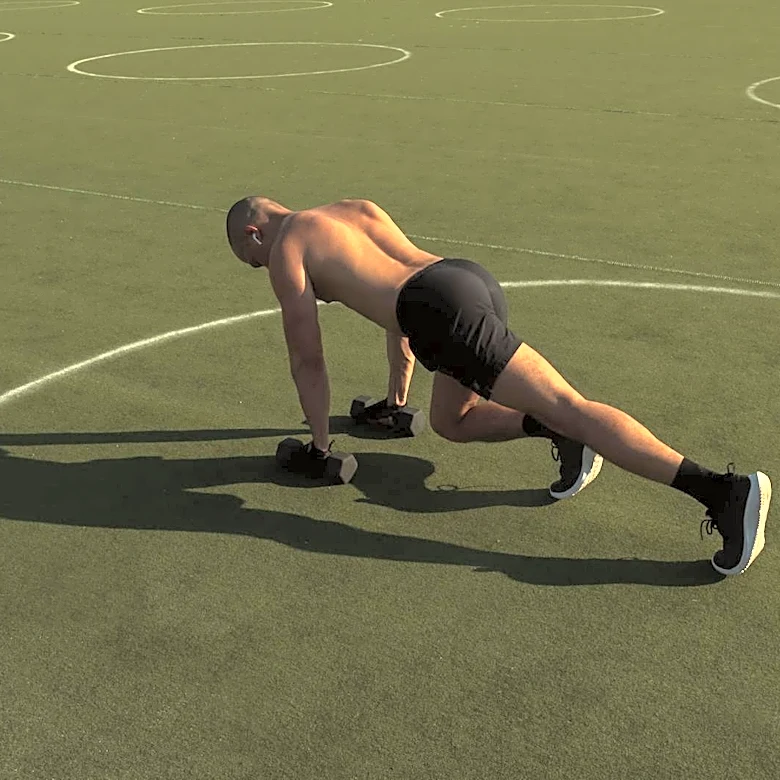
can lead to significant gains without extensive time in the gym. He highlights exercises such as push, pull, carry, squat, hinge, and overhead press as essential components of a well-rounded fitness routine. Hooper advises selecting exercises that engage multiple muscle groups and performing them to near muscle failure for optimal results. This approach, he argues, can be more effective than longer, less focused workouts.
Why It's Important?
Hooper's insights are significant as they challenge the traditional notion that lengthy gym sessions are necessary for strength and muscle development. His approach offers a practical solution for individuals with limited time, promoting a more accessible path to fitness. This method could potentially increase participation in strength training, contributing to improved public health outcomes. Additionally, by simplifying workout routines, Hooper's strategy may appeal to a broader audience, including those new to fitness or seeking efficient ways to maintain physical health.
What's Next?
As more people adopt Hooper's recommended workout strategy, there could be a shift in how fitness programs are designed and marketed. Gyms and fitness trainers might begin to offer more short-duration, high-intensity classes to cater to this growing interest. Furthermore, fitness technology companies could develop apps and devices that support these quick, effective workouts, providing users with guidance and tracking capabilities. This trend may also influence public health campaigns, encouraging more individuals to incorporate strength training into their daily routines.
Beyond the Headlines
Hooper's advocacy for short workouts also raises questions about the role of exercise in mental health and overall well-being. As people experience the benefits of efficient workouts, there may be increased interest in exploring how physical fitness can enhance mental resilience and cognitive function. This could lead to further research and initiatives aimed at integrating physical and mental health strategies, promoting a holistic approach to wellness.