





What's Happening?
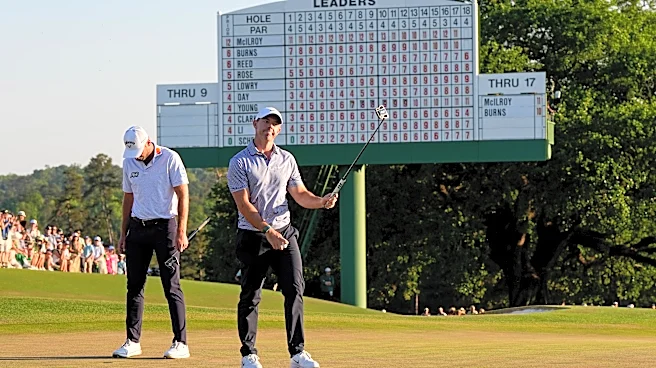
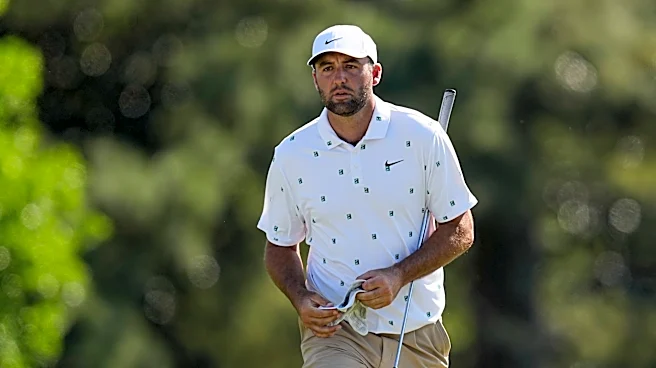
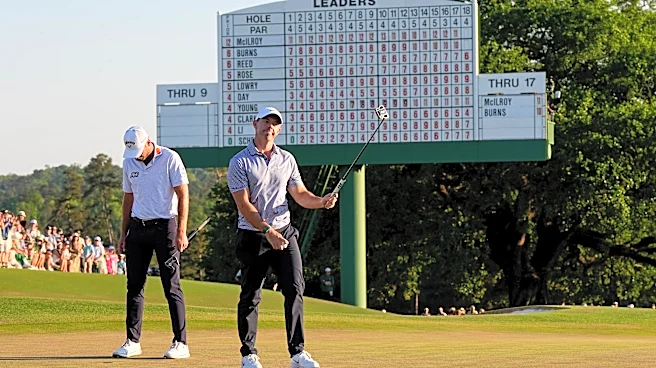
Scottie Scheffler, a prominent golfer and two-time Masters champion, expressed frustration with a reporter's question following his impressive performance in the third round of the Masters Tournament. Scheffler shot a 7-under 65, placing him four strokes
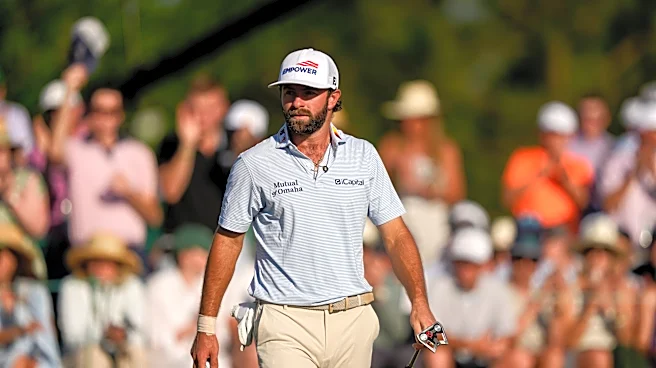
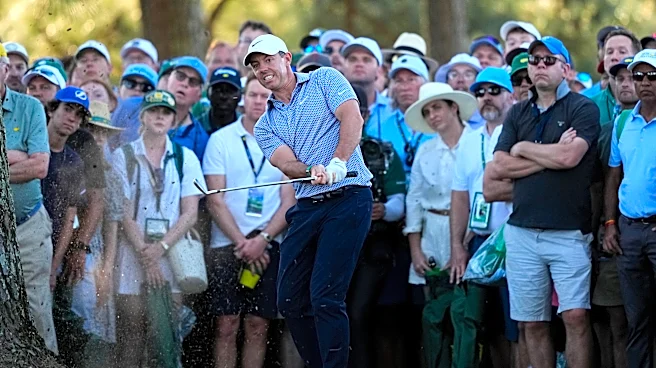
behind leaders Rory McIlroy and Cameron Young. During a press conference, when asked about his round and what it 'could have or should have been,' Scheffler responded by calling it a 'terrible question.' He later apologized, acknowledging that the question wasn't as bad as he initially reacted. Despite the brief tension, Scheffler continued to engage with the media, discussing his performance and acknowledging areas where he felt he could have improved.
Why It's Important?
Scheffler's reaction highlights the pressures athletes face during high-stakes competitions like the Masters. His candid response underscores the intense scrutiny and expectations placed on top performers. This incident also reflects the dynamic between athletes and the media, where questions can sometimes be perceived as challenging or critical. For Scheffler, maintaining composure and focus is crucial as he remains in contention for the title. The interaction serves as a reminder of the human element in sports, where emotions can run high, and the importance of media relations in shaping public perception.
What's Next?
As the Masters Tournament progresses, Scheffler will continue to compete, aiming to close the gap with the leaders. His performance in the upcoming rounds will be closely watched, as he seeks to secure another green jacket. The media will likely continue to scrutinize his responses and performance, adding to the pressure. Scheffler's ability to manage these dynamics will be critical in his pursuit of victory. Additionally, the incident may prompt discussions within the sports community about the nature of media interactions and the balance between candidness and professionalism.