
What's Happening?
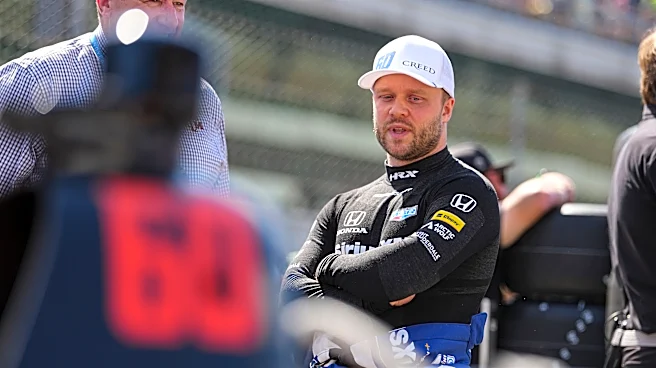
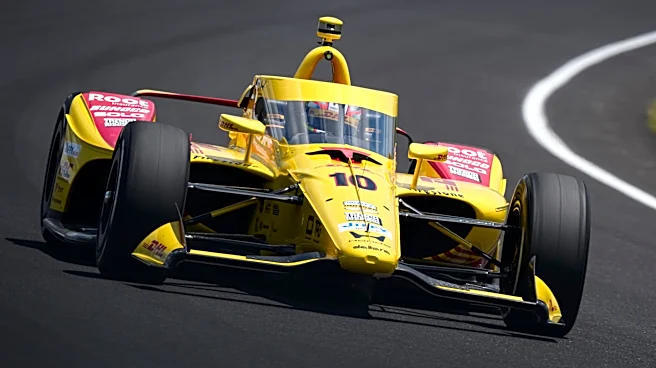
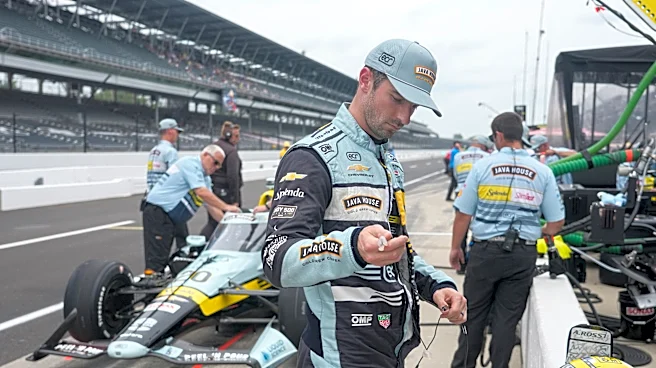
Alex Palou, driving for Chip Ganassi Racing, has secured the pole position for the 2026 Indianapolis 500, marking his second career pole at this prestigious event. Palou achieved a four-lap average speed
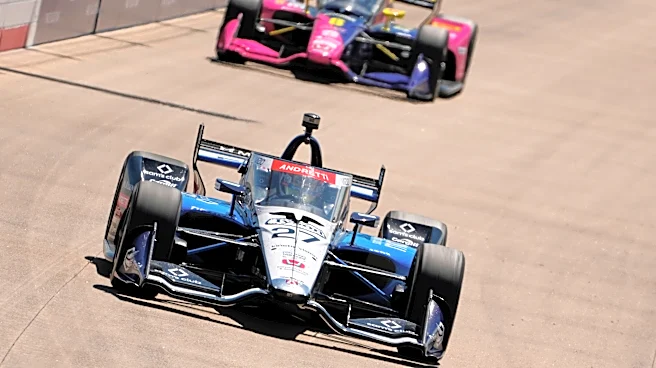
of 232.248 mph during the qualifying rounds at the Indianapolis Motor Speedway. This accomplishment places him at the forefront of a 33-car field for the race scheduled on May 24. Palou's performance is notable as he becomes the first defending champion to win the pole for the following year's race since Helio Castroneves in 2010. Joining Palou on the front row are Alexander Rossi and David Malukas, both driving Chevrolets. The qualifying process was intense, with Palou's wife drawing the 31st position for him in the qualifying order, which was later affected by rain delays, compressing the qualifying into a single day.
Why It's Important?
Securing the pole position is a significant advantage in the Indianapolis 500, often referred to as 'The Greatest Spectacle in Racing.' For Alex Palou, this achievement not only underscores his skill and the capabilities of his team but also sets a strong precedent for defending his title. The pole position can provide a strategic edge in the race, allowing for better control of pace and positioning. This development is crucial for Chip Ganassi Racing, enhancing their reputation and potential for sponsorships. Additionally, the presence of multiple past winners in the field, including Helio Castroneves and Josef Newgarden, highlights the competitive nature of this year's race, promising an exciting event for fans and stakeholders in the motorsport industry.
What's Next?
As the race day approaches, teams will continue to fine-tune their strategies and vehicles to adapt to the dynamic conditions of the Indianapolis Motor Speedway. The focus will be on maintaining the performance and reliability of the cars, as well as preparing for the tactical challenges posed by the race. For Palou and his team, the goal will be to leverage the pole position to maintain a lead and manage the race pace effectively. The broader field will be strategizing on how to overcome the initial disadvantage of starting behind the pole sitter. The race will also be a test of endurance and skill, with weather conditions and track dynamics playing a crucial role in the outcome.