



What's Happening?
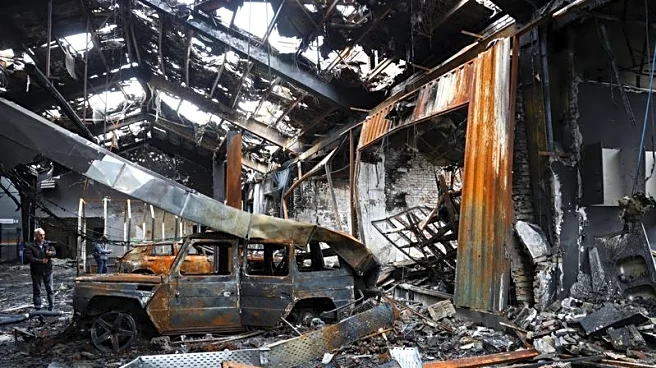
A recent Iranian missile and drone attack on Emirates Global Aluminium's (EGA) facilities in Abu Dhabi has caused significant damage, threatening global aluminum supply chains. The Al Taweelah site, a major producer of aluminum, sustained damage during
the attack, with assessments ongoing. This incident is part of a broader conflict involving Iran, which has also targeted other critical infrastructure in the region, affecting oil and gas production and leading to increased commodity prices.
Why It's Important?
The attack on EGA highlights the vulnerability of global supply chains to geopolitical conflicts. As a key producer of aluminum, disruptions at EGA can have far-reaching impacts on industries reliant on this metal, including construction, transportation, and renewable energy. The conflict has already led to increased oil and gas prices, exacerbating economic pressures worldwide. The situation underscores the need for diversified supply chains and increased resilience against geopolitical risks.
What's Next?
The ongoing conflict may lead to further disruptions in global supply chains, prompting businesses to seek alternative sources and strengthen their resilience strategies. Governments and international organizations may need to engage in diplomatic efforts to de-escalate tensions and ensure the security of critical infrastructure. The situation could also accelerate the transition to renewable energy sources as countries seek to reduce reliance on vulnerable supply chains.
Beyond the Headlines
The attack on EGA raises questions about the security of critical infrastructure and the role of geopolitical conflicts in shaping global economic dynamics. The reliance on key trade routes and production hubs highlights the interconnectedness of global supply chains and the potential for cascading effects from localized disruptions. The situation also reflects broader challenges in balancing economic growth with geopolitical stability.