





What's Happening?
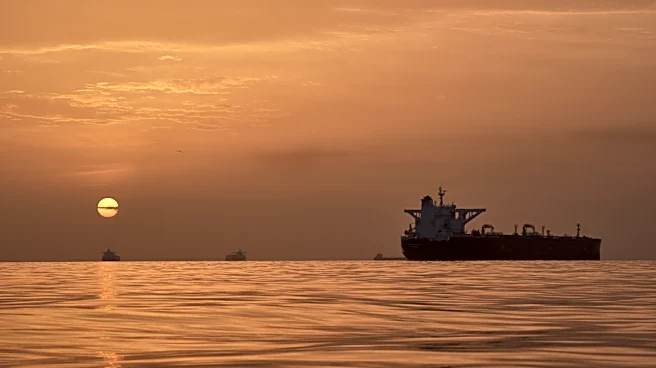
President Trump has granted a 90-day extension to the Jones Act waiver, allowing foreign-flagged vessels to transport oil, fuel, and fertilizer between U.S. ports. This decision aims to mitigate rising energy costs exacerbated by the ongoing conflict
with Iran. The waiver extension, requested by U.S. Representative Ed Case of Hawai'i, addresses the state's reliance on imported fossil fuels and the limited availability of Jones Act-compliant vessels. The extension is intended to stabilize fuel supplies and prices, particularly in Hawai'i, which faces unique logistical challenges due to its geographic isolation.
Why It's Important?
The extension of the Jones Act waiver is a strategic move to address fuel supply disruptions and rising costs, which have become politically sensitive issues ahead of the upcoming midterm elections. The decision highlights the tension between maintaining national security through domestic shipping capabilities and addressing economic pressures from global conflicts. While the waiver provides temporary relief, it also underscores the challenges of balancing economic and security priorities, as well as the limitations of the U.S. shipping industry in times of international disruption.
What's Next?
The extension is expected to provide temporary relief to fuel supply chains, but long-term solutions may require policy adjustments or infrastructure investments to enhance domestic shipping capabilities. The decision may prompt further debate on the Jones Act's relevance and impact on the U.S. economy, particularly in regions heavily dependent on imported goods. Stakeholders, including maritime unions, energy producers, and policymakers, will likely continue to engage in discussions about the future of the Jones Act and its implications for national security and economic stability.