






What's Happening?
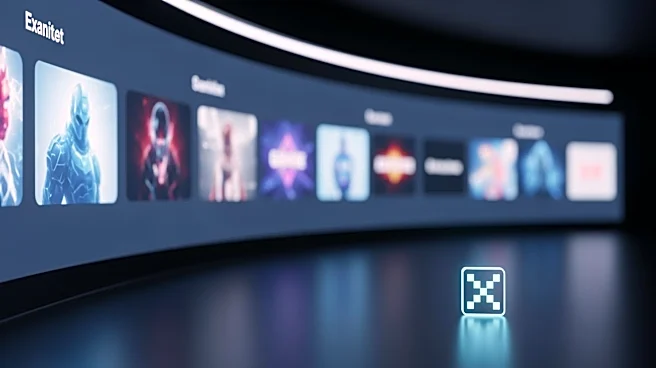
Steam has recently implemented a redesign of its store, which has sparked mixed reactions among indie game developers. The redesign includes changes to the 'Popular Upcoming' page, which now prioritizes games with higher buzz, potentially affecting the visibility
of indie games. Previously, games were listed in release order if they had a sufficient number of wishlists, typically between 6,000 to 7,000. However, the new system favors larger games from major companies, with the lowest wishlist count currently at 80,000. This change has raised concerns among indie developers who fear that their games may receive less exposure. Valve stated that the update was made in response to player feedback to highlight the most anticipated releases. Despite the concerns, some developers have noted that the new 'Personal Calendar' feature, which focuses on niche upcoming releases, has been beneficial for smaller games.
Why It's Important?
The redesign of Steam's store could have significant implications for indie game developers, who often rely on visibility to attract players and generate sales. The prioritization of games with higher buzz may lead to a concentration of attention on larger titles, making it more challenging for indie games to gain traction. This could impact the diversity of games that players are exposed to and potentially stifle innovation within the indie game sector. On the other hand, the introduction of the 'Personal Calendar' feature may provide a new avenue for smaller games to reach their audience, offering a counterbalance to the changes in the 'Popular Upcoming' page. The outcome of these changes could influence the strategies indie developers use to market their games and engage with their audience.
What's Next?
Indie developers may need to adapt their marketing strategies to navigate the new landscape on Steam. This could involve increasing efforts to generate buzz and secure wishlists to improve their chances of appearing on the 'Popular Upcoming' page. Additionally, developers might focus on leveraging the 'Personal Calendar' feature to reach niche audiences. The response from the indie game community and the effectiveness of these strategies will likely shape future updates to Steam's store. Valve may also continue to refine the system based on feedback from both developers and players to ensure a balanced platform that supports a diverse range of games.
Beyond the Headlines
The changes to Steam's store highlight broader challenges within the gaming industry regarding visibility and discoverability, particularly for indie developers. As digital platforms continue to evolve, the balance between promoting popular titles and supporting smaller, innovative games remains a critical issue. The redesign may prompt discussions about the role of major platforms in fostering a diverse gaming ecosystem and the responsibilities they hold in supporting indie developers. Additionally, the situation underscores the importance of community feedback in shaping platform policies and features.