







What's Happening?
Economists forecast that the Consumer Price Index (CPI) for May will show a 4.2% annual increase, marking the highest rate since April 2023. This rise is attributed primarily to increased energy prices, exacerbated by the Iran conflict. Core CPI, excluding
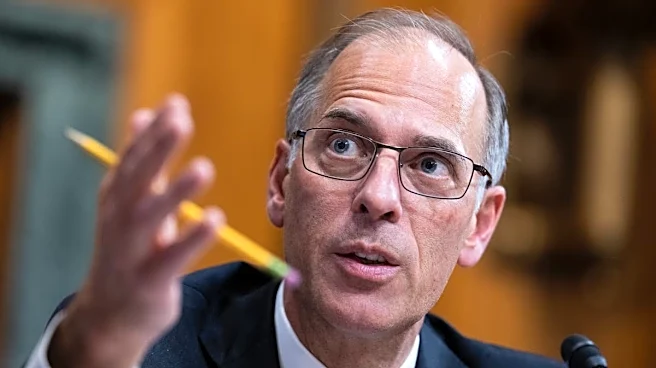
food and gas, is expected to rise to 2.9%. Mark Zandi of Moody's Analytics notes that current inflation is driven by government policies rather than pandemic-related supply disruptions. A CBS News poll indicates that three-quarters of Americans feel their incomes are not keeping pace with inflation, highlighting widespread economic dissatisfaction.
Why It's Important?
The projected inflation rate is significant as it reflects ongoing economic challenges and the impact of geopolitical events on domestic prices. Persistent inflation above the Federal Reserve's 2% target could lead to changes in monetary policy, affecting interest rates and economic growth. The situation also highlights the strain on household budgets, as rising energy costs impact the prices of goods and services. This economic environment poses challenges for policymakers aiming to balance growth and inflation control.
What's Next?
The release of the CPI data will likely influence Federal Reserve policy decisions, potentially leading to interest rate adjustments. Economists will closely monitor the broader impact of energy prices on the economy, including transportation and consumer goods. The geopolitical situation in Iran remains a critical factor, with potential implications for future inflation trends. Stakeholders across industries will need to adapt to the evolving economic landscape.