






What's Happening?
Clinical dietitian Shirley Malka from Assuta Medical Center has addressed common misconceptions about sugar and its alternatives, emphasizing that the craving for sweetness is biologically ingrained. Malka explains that while sugar is often seen as a dietary
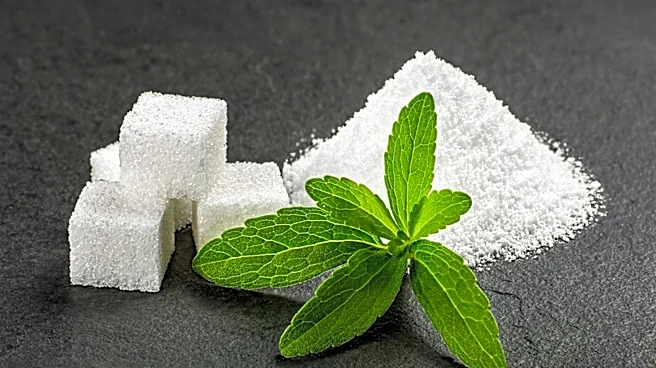
villain, the real issue lies in the quantity and manner of consumption. She notes that natural sweeteners like honey and date syrup, though perceived as healthier, are still calorie-dense and can raise blood sugar levels rapidly. Malka also discusses artificial sweeteners such as aspartame and sucralose, which are considered safe by the FDA but are subject to ongoing scientific debate regarding their effects on health. The key takeaway is that moderation and balance are crucial, and the healthiest approach is to reduce overall sweetness in the diet rather than relying on sugar substitutes.
Why It's Important?
This discussion is significant as it addresses the widespread confusion surrounding sugar and sweeteners, which impacts dietary choices and public health. With obesity and metabolic diseases on the rise, understanding the effects of different sweeteners can help consumers make informed decisions. The insights provided by Malka could influence dietary guidelines and public health policies, encouraging a shift towards more balanced consumption patterns. This could potentially reduce the prevalence of diet-related health issues, benefiting both individuals and healthcare systems.