
What's Happening?
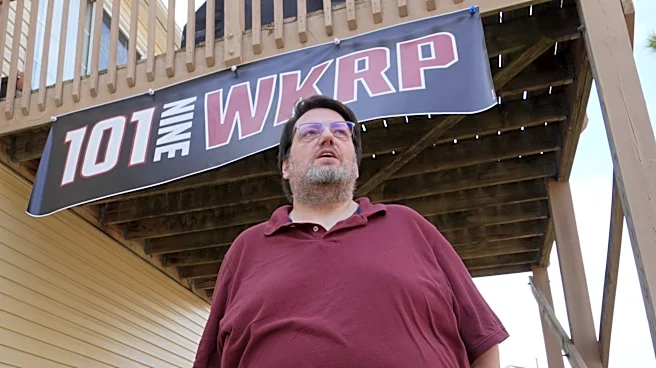
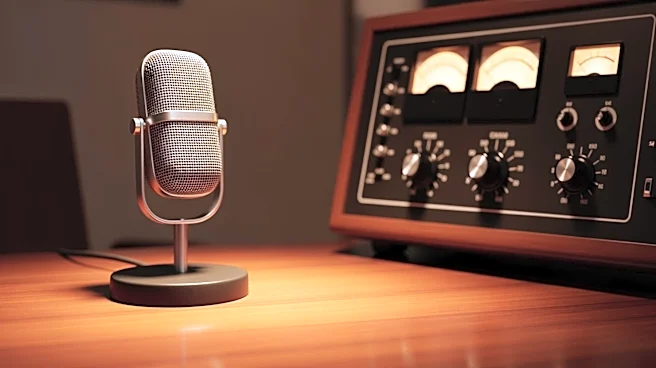
D.P. McIntire, who runs a media nonprofit, is auctioning the call letters WKRP, made famous by the 1970s sitcom 'WKRP in Cincinnati,' with plans to establish a real radio station in Cincinnati. The sitcom,
which aired from 1978 to 1982, became iconic for its humorous portrayal of a struggling radio station. McIntire, inspired by the show since childhood, acquired the call sign from the Federal Communications Commission in 2014 for his North Carolina-based nonprofit. The call letters have been used by stations in various states, but McIntire now aims to bring them to Cincinnati. The nonprofit's current station, WKRP-LP, operates as a low-power FM station in Raleigh, North Carolina, offering a nostalgic format reminiscent of small-town American radio from decades past. McIntire plans to use proceeds from the auction to support a new nonprofit venture aimed at assisting new broadcasters.
Why It's Important?
The auction of the WKRP call letters highlights the enduring cultural impact of the 'WKRP in Cincinnati' sitcom and its characters. By transitioning the fictional call letters into a real-world radio station, McIntire seeks to preserve and extend the legacy of the show, which holds a special place in the hearts of many fans. This move could potentially revitalize interest in traditional radio formats and provide a unique branding opportunity for the new station. Additionally, the proceeds from the auction will support Independent Broadcast Consultants, a nonprofit dedicated to helping new broadcasters succeed, thereby fostering innovation and diversity in the radio industry.
What's Next?
The auction process is underway, with McIntire unable to disclose specific details due to contractual obligations. However, he has confirmed that the call letters will be used for a radio station in Cincinnati. The transition of leadership within McIntire's nonprofit to younger members indicates a shift in focus towards new media ventures. The success of this initiative could inspire similar efforts to revive other nostalgic media brands, potentially influencing the broader media landscape.