








What's Happening?
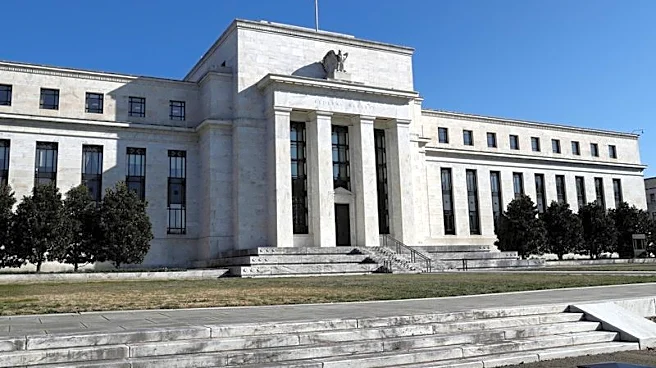
The personal consumption expenditures price index (PCE) core inflation rate has increased to 3.3% in April 2026, up from 3.1% in January. This measure, which excludes volatile food and energy prices, is closely watched by the Federal Reserve to assess
underlying inflation trends. Despite a slight decline in the trimmed mean for the PCE index, calculated by the Federal Reserve Bank of Dallas, the overall trend indicates rising inflation. The East South Central region, consisting of red states, reported an annual inflation rate of 4.5% in April, surpassing the national average, while the Pacific region, mostly blue states, had an inflation rate of 3.5%, below the national rate.
Why It's Important?
The rise in core inflation is significant as it influences the Federal Reserve's monetary policy decisions. Higher inflation can lead to increased interest rates, affecting borrowing costs for consumers and businesses. The regional disparities in inflation rates highlight the varied economic conditions across the U.S., with red states experiencing higher inflation than blue states. This could impact political narratives and economic strategies at both state and federal levels. The Federal Reserve's focus on core inflation underscores its commitment to stabilizing prices while considering regional economic differences.
What's Next?
The Federal Reserve may consider adjusting interest rates to curb inflation if the trend continues. Policymakers will likely monitor regional inflation disparities to tailor economic policies that address specific state needs. Businesses and consumers should prepare for potential changes in borrowing costs and adjust their financial strategies accordingly. The ongoing analysis of inflation trends will be crucial in shaping future economic policies and maintaining economic stability.