






What's Happening?
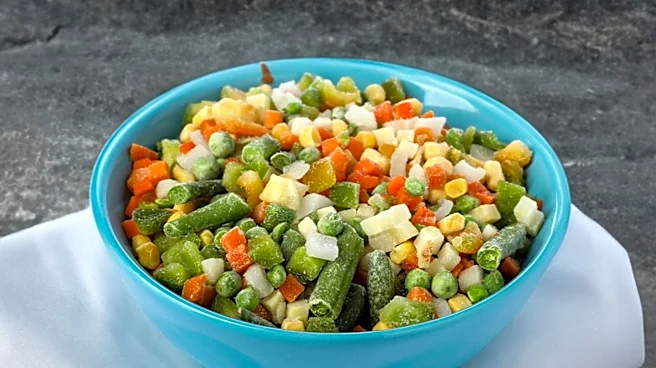
Nutrition experts are emphasizing the benefits of frozen foods in promoting long-term health for families. According to Jennifer House, a dietitian and founder of First Step Nutrition, frozen fruits and vegetables can be more nutritious than fresh produce.
These items are convenient, affordable, and help reduce food waste, making them ideal for busy families. Registered dietitian Sarah Schlichter also supports the use of frozen produce, noting that it is picked at peak ripeness and flash-frozen to preserve nutrients. In addition to produce, frozen seafood like salmon and whole grains such as pre-cooked rice and quinoa are recommended for their health benefits and ease of preparation.
Why It's Important?
The emphasis on frozen foods is significant as it addresses the challenges families face in maintaining a healthy diet amidst busy schedules. By providing convenient and nutritious options, frozen foods can help families consistently incorporate healthy eating habits. This approach not only supports individual health but also contributes to broader public health goals by reducing food waste and making nutritious foods more accessible. The affordability and long shelf life of frozen foods make them a practical choice for families looking to improve their diet without incurring high costs.
What's Next?
As awareness of the benefits of frozen foods grows, it is likely that more families will incorporate these items into their regular meal planning. This could lead to increased demand for a wider variety of frozen food options in grocery stores. Additionally, nutritionists and public health advocates may continue to promote the advantages of frozen foods through educational campaigns and community programs, further encouraging their adoption.