







What's Happening?
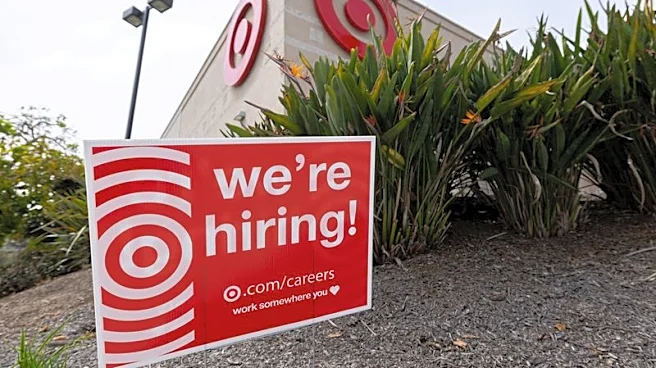
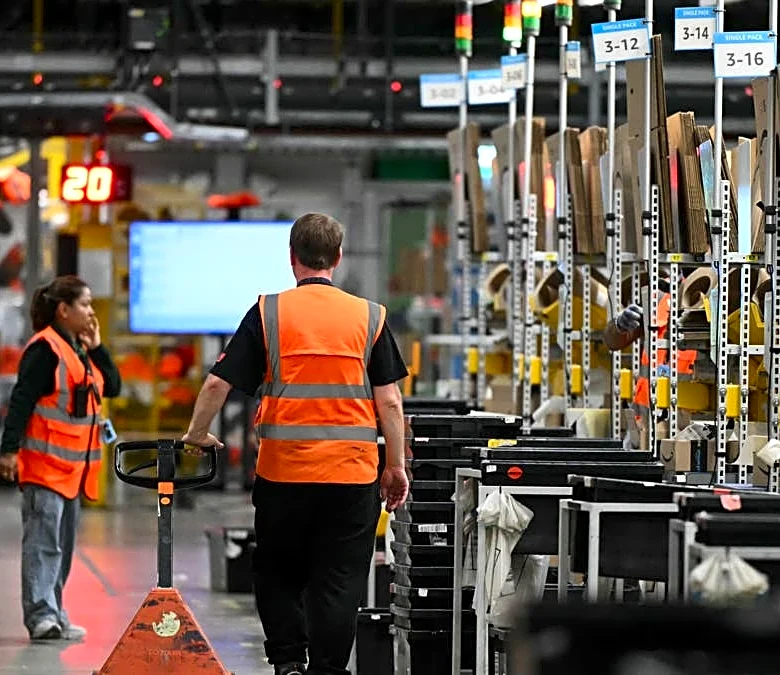
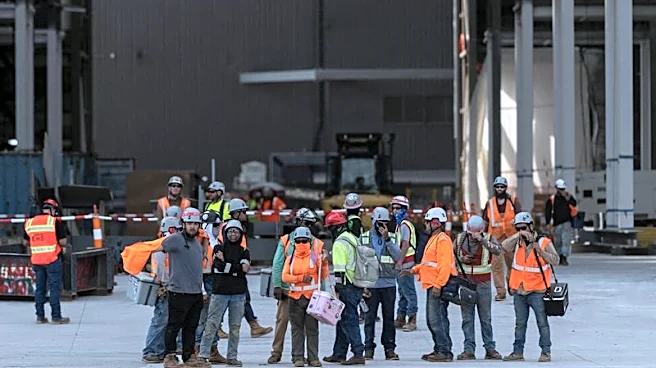
In May, U.S. employers added 172,000 jobs, surpassing expectations, while the unemployment rate remained steady at 4.3%, according to the U.S. Bureau of Labor Statistics. This growth marks a significant recovery from the labor market's weak performance
in 2025. Revisions to previous months' data also show stronger job gains, with March's figures adjusted up by 29,000 to 214,000 and April's by 64,000 to 179,000. The report highlights a resilient labor market, with job growth concentrated in sectors like leisure and hospitality, local government, and healthcare. However, sectors such as retail, information, and finance experienced job losses. Despite the positive job growth, challenges remain, including low job turnover and external factors like immigration restrictions and high energy prices affecting business confidence.
Why It's Important?
The unexpected surge in job growth is a positive indicator for the U.S. economy, suggesting a rebound in the labor market. This development is crucial as it reflects employers' continued investment in talent and supports economic recovery. However, the report also underscores ongoing challenges, such as inflation outpacing wage growth, which could impact consumer purchasing power. The Federal Reserve may reconsider its interest rate policies in light of these job gains, potentially delaying rate cuts. The labor market's stability is vital for economic stakeholders, as it influences consumer confidence, spending, and overall economic health. The report's findings also highlight the need for policies that address wage growth and job creation in diverse sectors.
What's Next?
The Federal Reserve's response to the job growth data will be closely watched, as it may influence future interest rate decisions. Employers are expected to continue hiring, albeit cautiously, with a focus on specialized roles. The labor market's trajectory will depend on whether job growth translates into broader opportunities across various sectors. Additionally, the impact of rising energy prices on inflation and wages will be a critical factor in shaping economic policies. Stakeholders will need to monitor these developments to ensure that the labor market's recovery is sustainable and inclusive.