







What's Happening?
Spot gold prices increased by 0.97% to approximately $4,539.30 per ounce, while spot silver prices decreased by 0.51% to around $75.275 per ounce. This shift occurred as crude oil prices experienced a significant monthly drop, reducing inflation pressure.
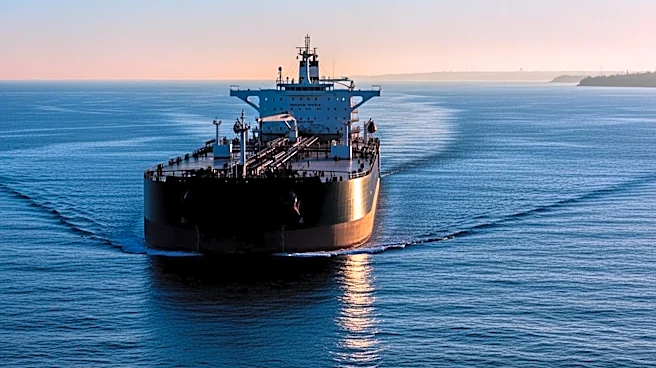
The U.S. dollar index strengthened, impacting silver prices negatively. The market is reacting to potential U.S.-Iran agreement prospects that could extend the ceasefire by 60 days, potentially restoring shipping through the Strait of Hormuz. This geopolitical development has influenced energy, inflation expectations, and precious metals markets. The drop in oil prices, the steepest since 2020, has contributed to a mixed impact on gold, supporting non-yielding assets while reducing safe-haven demand.
Why It's Important?
The fluctuation in gold and silver prices reflects broader economic and geopolitical dynamics. Lower oil prices and reduced inflation risk can support non-yielding assets like gold, while decreased conflict risk may reduce demand for safe-haven assets. The potential U.S.-Iran agreement could stabilize shipping routes, impacting global energy markets and inflation expectations. This development is crucial for investors and policymakers as it influences commodity prices, inflation rates, and economic stability. The firmer U.S. dollar and steady Treasury yields also play a role in shaping market conditions, affecting investment strategies and economic forecasts.
What's Next?
If the U.S.-Iran agreement progresses, it could lead to further stabilization in energy markets and potentially lower inflation pressures. This may influence future monetary policy decisions and investor sentiment. Market participants will likely monitor geopolitical developments closely, assessing their impact on commodity prices and economic indicators. The ongoing negotiations and their outcomes could have significant implications for global trade and economic relations, affecting various sectors and stakeholders.
Beyond the Headlines
The geopolitical situation involving the Strait of Hormuz highlights the interconnectedness of global markets and the influence of political agreements on economic conditions. The potential reopening of shipping routes could alleviate some inflationary pressures, but it also underscores the vulnerability of markets to geopolitical tensions. This situation may prompt discussions on energy security and the need for diversified supply chains to mitigate risks associated with geopolitical conflicts.