
What's Happening?
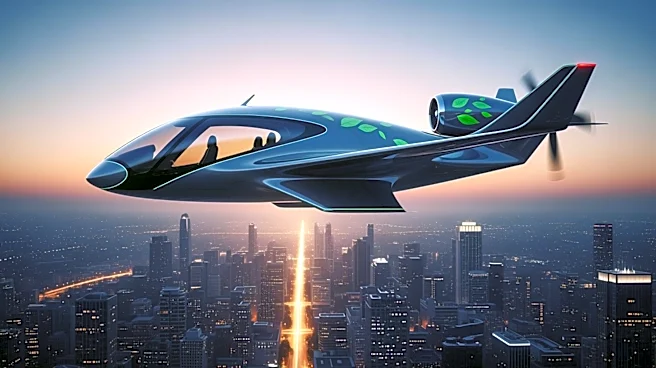
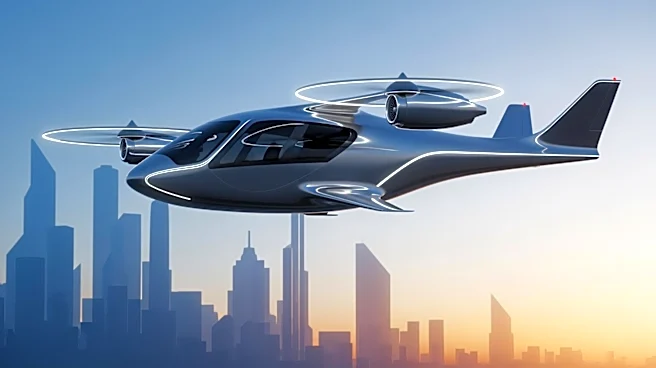
Joby Aviation, a U.S.-based company, recently showcased its electric air taxi over Manhattan, marking a significant step towards integrating advanced air mobility into urban transportation. The demonstration
involved a piloted electric vertical takeoff and landing (eVTOL) aircraft, which flew over the Hudson River, highlighting its potential to reduce travel time from downtown Manhattan to major airports like JFK and LaGuardia to under 10 minutes. Unlike traditional helicopters, Joby's eVTOLs are quieter and operate on electric power, producing zero emissions. The aircraft can reach speeds of up to 200 mph and cover distances of up to 150 miles on a single charge. This demonstration is part of a broader initiative by the U.S. Department of Transportation to accelerate the deployment of electric air taxis in major cities.
Why It's Important?
The introduction of electric air taxis like those from Joby Aviation could revolutionize urban transportation by significantly reducing travel times and emissions. This development is particularly relevant in the context of rising fuel costs and environmental concerns. By offering a quieter and more sustainable alternative to traditional helicopters, eVTOLs could gain widespread acceptance in congested urban areas. The potential partnership with Delta Airlines to integrate these air taxis into existing travel itineraries further underscores the transformative impact on the travel industry. Additionally, the move aligns with governmental efforts to advance air mobility technologies, positioning the U.S. as a leader in this emerging field.
What's Next?
Joby Aviation aims to launch regular air taxi services in New York City by the end of 2026, pending Federal Aviation Administration certification and the establishment of necessary infrastructure. The company plans to leverage existing heliports and develop a network of chargers and vertiports to support its operations. As the technology progresses, Joby and its competitors will need to demonstrate the reliability and safety of eVTOLs to regulators and the public. The success of these initiatives could pave the way for similar services in other major U.S. cities, potentially reshaping urban transportation landscapes.