





What's Happening?
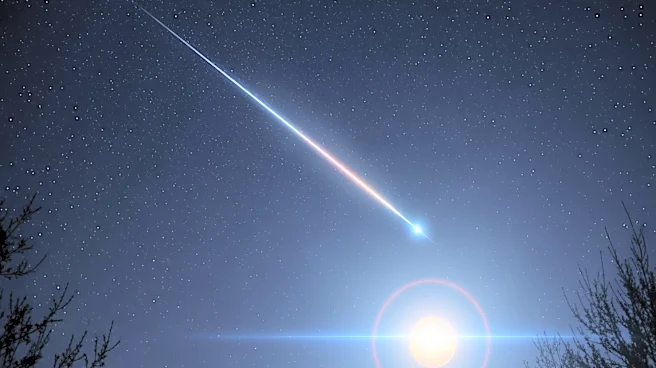
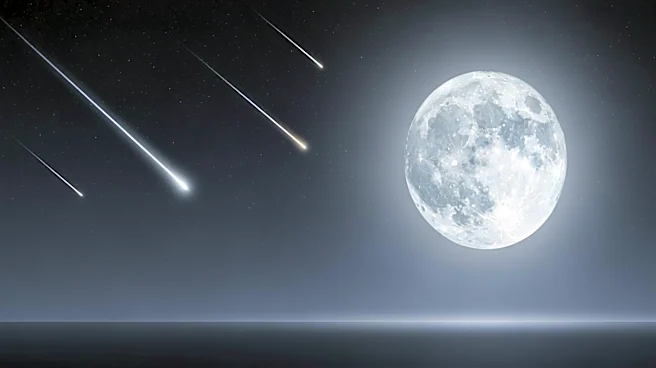
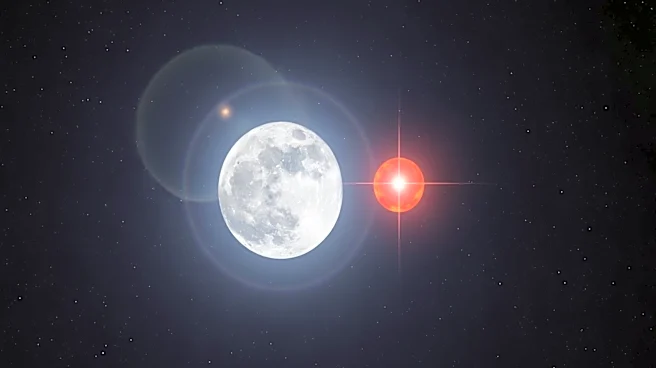
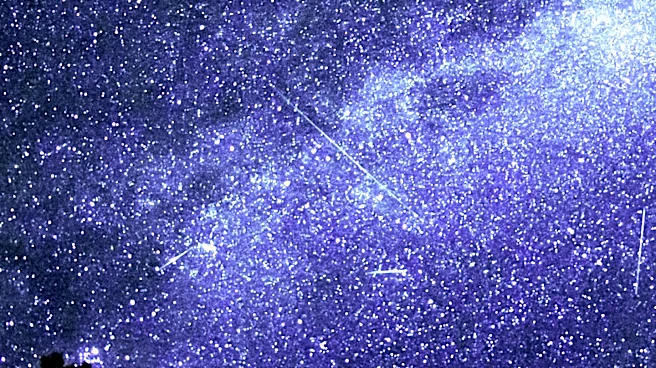
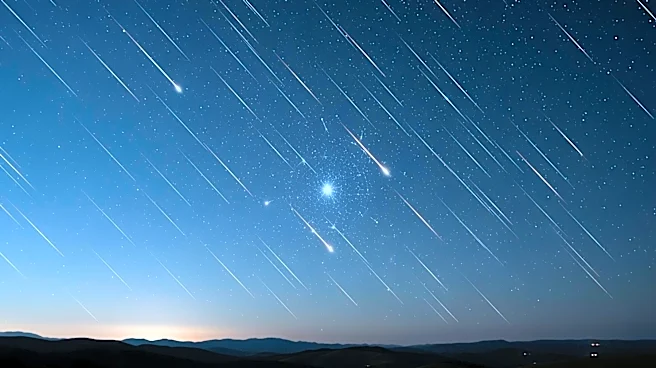
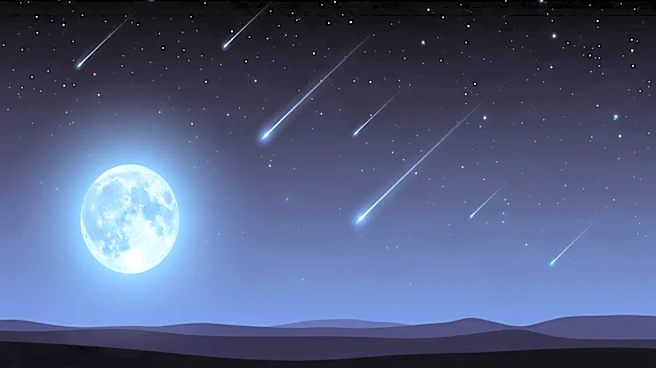
The Eta Aquariid meteor shower, originating from Halley's Comet, is set to peak, offering a celestial display primarily visible in the Southern Hemisphere. In the Northern Hemisphere, including the United States, visibility is limited due to the bright
waning gibbous moon, which reduces the number of visible meteors to fewer than 10 per hour. The best viewing opportunities in the U.S. are in the southern regions, where sky-gazers can attempt to see the meteors in the early morning hours before dawn. The meteors, known for their speed, can leave glowing trails in the sky.
Why It's Important?
Meteor showers like the Eta Aquariids provide a unique opportunity for public engagement with astronomy and science. They offer a chance for people to connect with natural phenomena and foster interest in space exploration and scientific inquiry. Despite the limited visibility in the Northern Hemisphere, events like these can inspire educational activities and community gatherings focused on astronomy. The Eta Aquariids also serve as a reminder of Earth's interaction with cosmic debris, highlighting the dynamic nature of our solar system.
What's Next?
As the Eta Aquariid meteor shower concludes, attention will turn to upcoming meteor showers throughout the year, such as the Perseids and Orionids. These events will provide further opportunities for sky-gazers and astronomers to observe and study meteor activity. The ongoing interest in meteor showers may lead to increased public participation in astronomy-related events and initiatives, promoting broader scientific literacy and appreciation for space science.