







What's Happening?
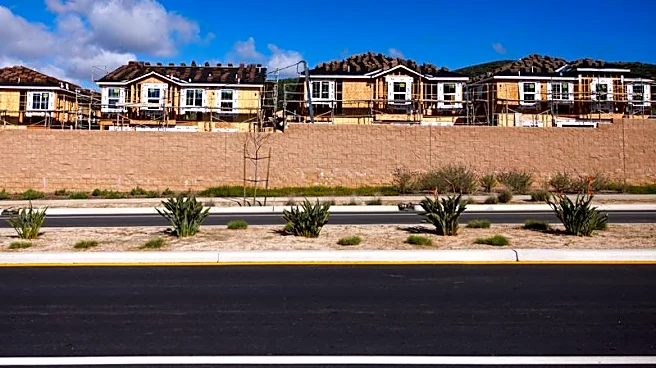
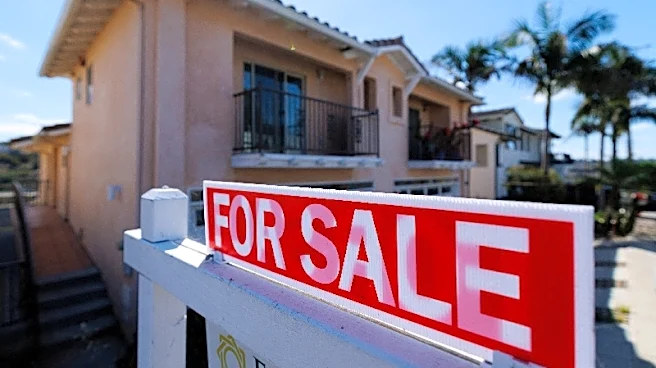
The average long-term U.S. mortgage rate increased to 6.51%, the highest level in nearly nine months, according to Freddie Mac. This rise in borrowing costs comes during the housing market's peak season and is influenced by the ongoing U.S.-Iran conflict,
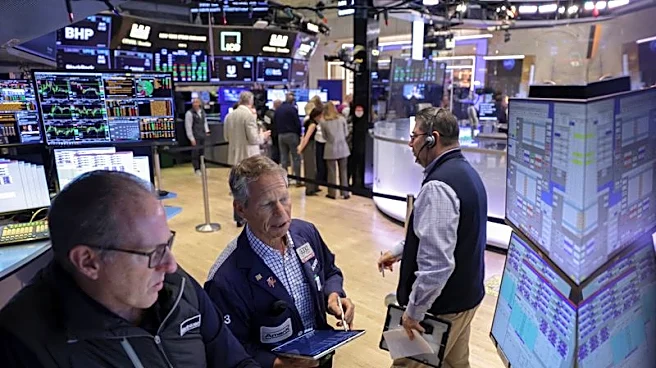
which has disrupted energy markets and driven up crude oil prices. The closure of the Strait of Hormuz has contributed to inflationary pressures, affecting both households and businesses. Retailers are cautious as tax refunds diminish, impacting consumer spending, a key driver of the U.S. economy.
Why It's Important?
The increase in mortgage rates reflects broader economic challenges, including inflation and geopolitical tensions. Higher borrowing costs could dampen the housing market's momentum, affecting homebuyers and the real estate industry. The impact of elevated oil prices on inflation and consumer spending is significant, as it influences economic growth and policy decisions. Retailers' cautious outlook highlights the potential for reduced consumer spending, which could slow economic recovery.
What's Next?
As the U.S.-Iran conflict continues, its resolution could alleviate some economic pressures, potentially stabilizing energy markets and reducing inflation. However, the persistence of high mortgage rates and inflation could lead to adjustments in monetary policy. Retailers and consumers will need to navigate these challenges, with potential implications for economic growth and employment. Policymakers will closely monitor these developments to address economic uncertainties and support recovery.