






What's Happening?
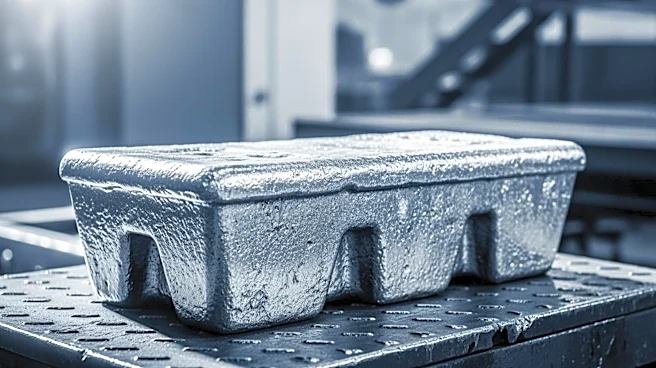
President Donald Trump has issued an executive order modifying tariffs on certain steel, aluminum, and copper imports. The changes include reducing tariffs on agricultural equipment such as combines and harvesters, as well as HVAC systems, from 25% to
15%. Additionally, the order expands the category of industrial equipment subject to a 15% tariff to include mobile industrial equipment like bulldozers and forklifts, provided they are imported from countries with a trade agreement with the U.S. The order also stipulates that countries using at least 85% U.S. metals by weight could qualify for a reduced 10% duty rate. These adjustments are temporary and will expire at the end of 2027. The tariffs were initially imposed in 2018 under Section 232 of the Trade Expansion Act of 1962, which allows tariffs on imports deemed a threat to national security.
Why It's Important?
The tariff adjustments are significant as they aim to bolster the U.S. economy by encouraging the use of domestic metals and supporting the agricultural sector. By lowering tariffs on farming equipment, the administration seeks to provide relief to farmers facing economic challenges, including rising bankruptcies and declining sentiment. The move is also seen as a strategic response to political pressures, with Republican senators expressing concerns about potential midterm election losses in key agricultural states. The adjustments could help mitigate some of the economic strain on the farming community and potentially influence voter sentiment in these regions.
What's Next?
The temporary nature of these tariff adjustments suggests that further evaluations and potential modifications could occur before the 2027 expiration. Stakeholders, including farmers and industrial equipment manufacturers, will likely monitor the impact of these changes on their operations and costs. Political leaders may also assess the effectiveness of these measures in addressing economic concerns and influencing voter behavior in upcoming elections. The administration may face pressure to extend or further adjust tariffs based on economic conditions and political considerations.