


What's Happening?
Saks Global is reportedly on the brink of filing for Chapter 11 bankruptcy, a move that could significantly impact hundreds of brands that supply merchandise to Saks, Neiman Marcus, and Bergdorf Goodman stores. These brands, ranging from small independent designers to large European luxury houses, may face financial losses as they are likely to be low on the list of creditors. Some brands have already reduced or halted shipments due to late or missing payments from Saks. Despite the risks, many brands are preparing to ship their spring collections, hoping that Saks will emerge from bankruptcy in a stronger financial position. The situation is reminiscent of past retail bankruptcies, such as Barneys in 2019 and Matches Fashion in 2024, which
left many brands with significant financial losses.
Why It's Important?
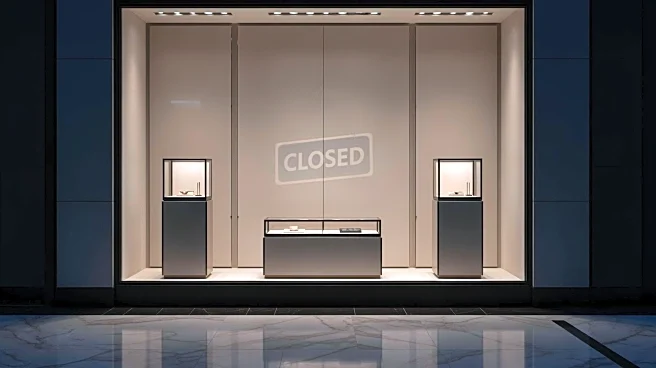
The potential bankruptcy of Saks Global is a critical event in the U.S. retail sector, particularly affecting the luxury market. If Saks cannot reach a deal with creditors, it may lead to store closures and inventory liquidation, similar to previous retail bankruptcies. This would not only impact the brands financially but could also alter the retail landscape by reducing the number of high-end retail options available to consumers. Brands heavily reliant on Saks for sales may struggle to find alternative distribution channels, potentially leading to financial instability or even closure. The situation underscores the vulnerability of brands tied to large retailers and highlights the ongoing challenges in the retail industry, including payment issues and the need for financial restructuring.
What's Next?
In the coming weeks, brands will be closely monitoring Saks' financial situation and the outcome of any bankruptcy proceedings. Some brands may choose to reroute their inventory to other wholesalers or off-price channels to mitigate potential losses. The hope is that Saks will successfully restructure and emerge from bankruptcy with a stronger financial footing, allowing it to pay its debts and invest in growth. However, brands are preparing for various scenarios, including the possibility of not recovering much of what they are owed. The situation may also prompt brands to reassess their reliance on large retailers and explore direct-to-consumer strategies to diversify their sales channels.
Beyond the Headlines
The potential bankruptcy of Saks Global highlights broader issues within the retail industry, such as the financial instability of traditional department stores and the shift towards direct-to-consumer models. The situation may accelerate changes in how luxury brands approach retail partnerships, with a greater emphasis on financial stability and payment reliability. Additionally, the event could lead to a reevaluation of the role of multibrand retailers in the luxury market, as brands seek to balance the benefits of wide distribution with the risks of financial exposure. The outcome of Saks' financial restructuring could serve as a case study for other retailers facing similar challenges.