

What's Happening?
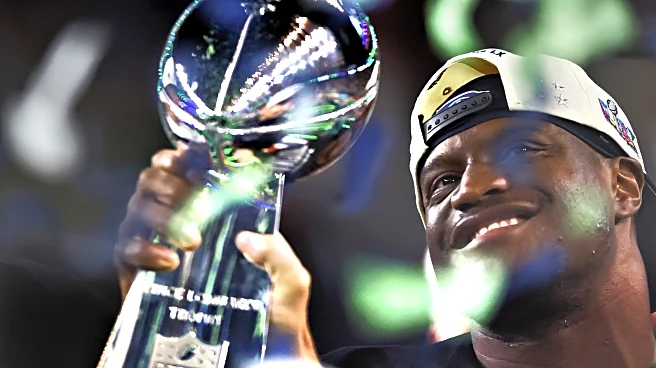
The NFL landscape has undergone significant changes following the start of the new league year on March 11, marked by a series of high-profile trades and free agency signings. Notable moves include Kenneth Walker III, the reigning Super Bowl MVP, joining
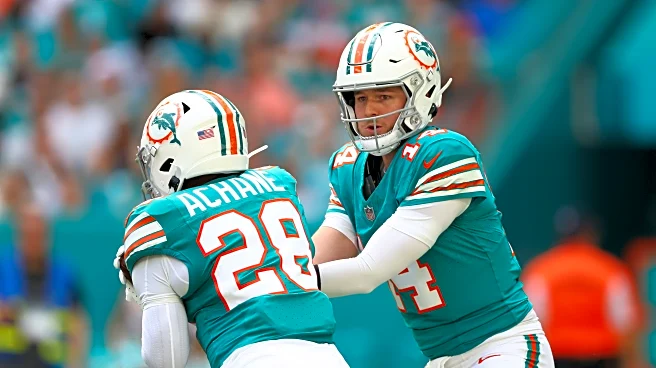
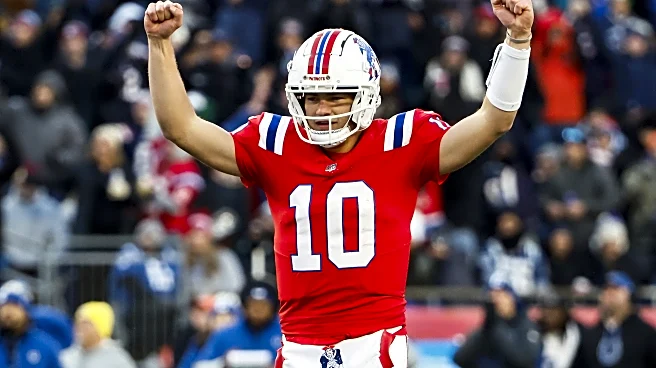
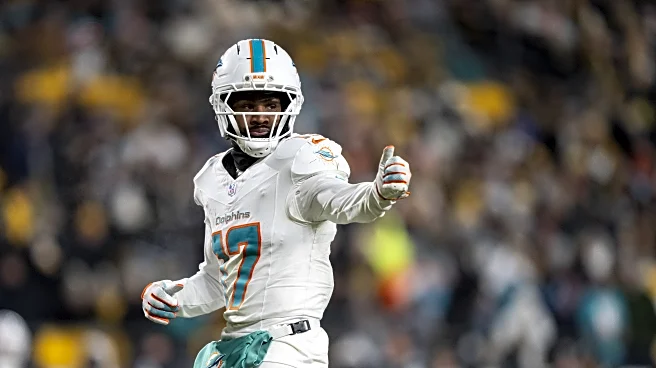
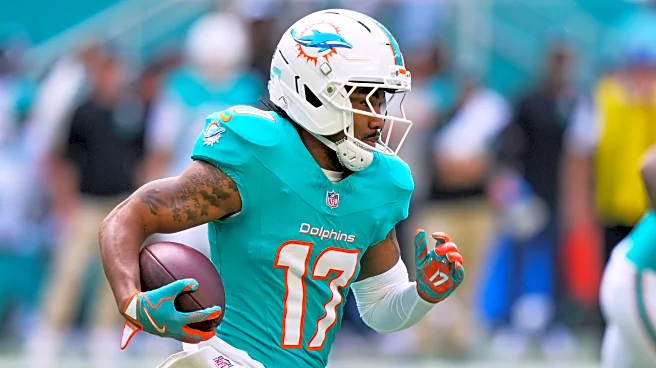
the Kansas City Chiefs, and Mike Evans, a future Hall of Fame wide receiver, moving to the San Francisco 49ers after a long tenure with the Tampa Bay Buccaneers. Additionally, Malik Willis has taken over as the Miami Dolphins' quarterback, replacing Tua Tagovailoa, who now plays for the Atlanta Falcons. The Dolphins also traded Jaylen Waddle to the Denver Broncos. These transactions have shifted team strategies and draft needs, as organizations aim to strengthen their rosters for the upcoming season.
Why It's Important?
These roster changes are pivotal as they can significantly impact team performance and competitiveness in the upcoming NFL season. The movement of key players like Kenneth Walker III and Mike Evans to new teams could alter the balance of power within the league, potentially affecting playoff outcomes and Super Bowl contenders. For teams like the Dolphins and Falcons, these trades represent strategic shifts that could redefine their future success. The financial investments and strategic decisions made during this period highlight the dynamic nature of team management in the NFL, with long-term implications for team building and fan engagement.
What's Next?
As teams finalize their rosters, attention will turn to the NFL Draft, where organizations will look to fill remaining gaps and build for the future. The draft will be crucial for teams that have made significant trades, as they will need to leverage their picks to complement their new acquisitions. Fans and analysts will be closely watching how these changes play out on the field, with expectations high for teams that have made bold moves. The success of these strategies will be evaluated as the season progresses, influencing future trade and free agency decisions.