




What's Happening?
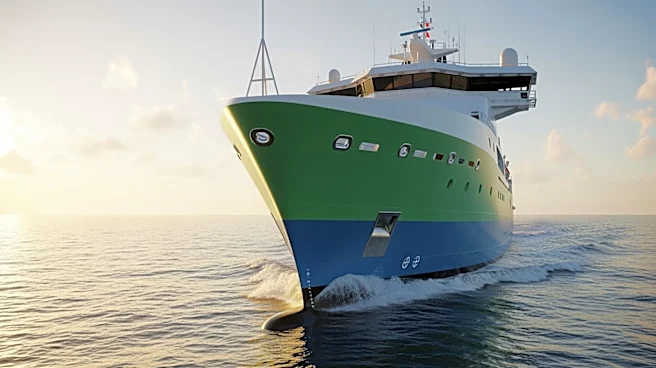
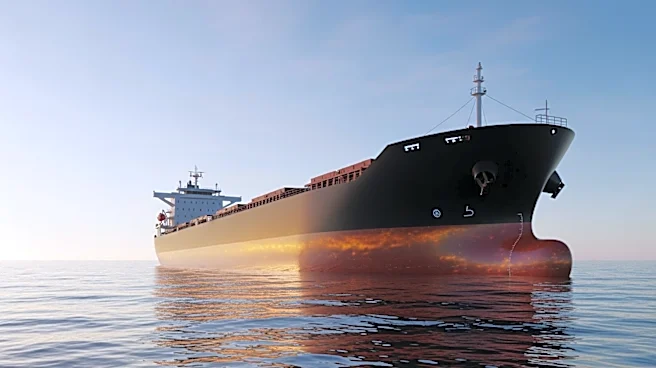
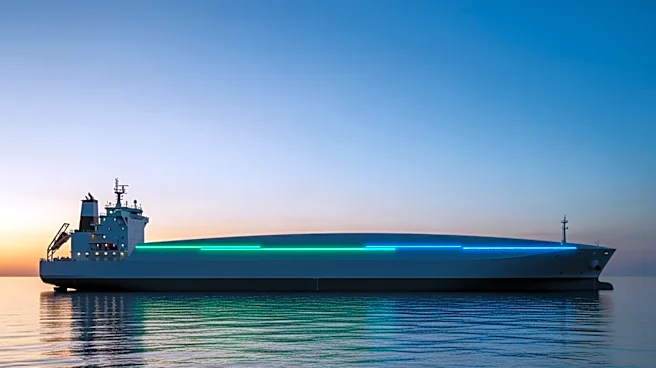
Brazilian mining company Vale has signed a 25-year charter agreement with China's Shandong Shipping Corporation for the construction of the world's first two ocean-going ethanol-powered vessels. These Guaibamax-class bulk carriers, capable of carrying
up to 325,000 tons of iron ore, are scheduled for delivery starting in 2029. The vessels will feature energy-efficient technologies, including rotary sails to harness wind energy, efficient engines, and other emissions-reducing innovations. Vale's move comes amid heightened interest in alternative fuels due to international oil market tensions, underscoring the importance of flexible logistics systems.
Why It's Important?
Vale's investment in ethanol-powered vessels represents a significant step towards maritime decarbonization, aligning with global efforts to reduce greenhouse gas emissions. As geopolitical risks impact oil markets, the adoption of alternative fuels in shipping becomes increasingly crucial for ensuring business continuity and environmental sustainability. This initiative reflects Vale's commitment to expanding its portfolio of low-carbon solutions in maritime logistics, potentially influencing other industry players to explore similar strategies. The development of ethanol-powered carriers could pave the way for broader adoption of renewable energy sources in the shipping industry.
What's Next?
Vale plans to explore retrofitting existing vessels to run on ethanol, further expanding its low-carbon maritime solutions. The company will continue to monitor geopolitical developments and adapt its logistics strategies accordingly. As the ethanol-powered carriers enter service, Vale will assess their performance and potential scalability. The success of this initiative may encourage other companies to invest in alternative fuel technologies, contributing to the broader decarbonization of the shipping industry.
Beyond the Headlines
The shift towards ethanol-powered vessels highlights the growing importance of sustainable practices in maritime logistics. This development may prompt discussions on the feasibility and environmental impact of alternative fuels in shipping. As Vale leads the way in adopting ethanol-powered carriers, the industry may see increased collaboration between shipping companies, fuel producers, and technology developers to advance sustainable maritime solutions. The initiative also underscores the need for regulatory frameworks to support the transition to low-carbon shipping.