
What's Happening?
The Sundance Film Festival recently premiered 'Jaripeo', a documentary by queer filmmaker Efraín Mojica and co-director Rebecca Zweig. The film explores the intersection of traditional Mexican rodeo culture
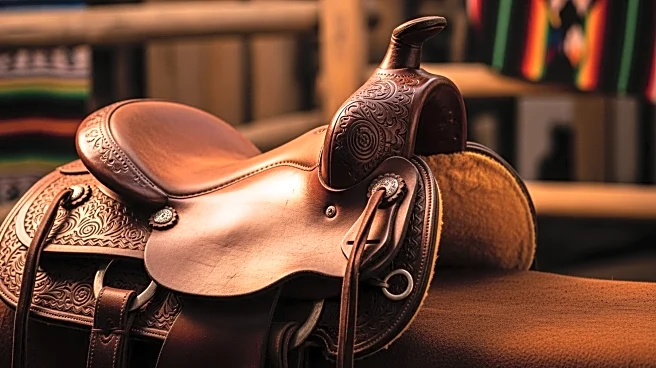
and LGBTQ identities in the rural town of Penjamillo, Michoacán. Mojica, who grew up attending these rodeos, uses the film to highlight the experiences of LGBTQ individuals in a community that traditionally adheres to strict gender norms. The documentary, shot in a ciné-vérité style, features interviews with local LGBTQ community members and captures the vibrant atmosphere of the rodeos, blending scenes of traditional masculinity with elements of queer nightlife.
Why It's Important?
The documentary 'Jaripeo' is significant as it challenges stereotypes about Mexican culture and its acceptance of LGBTQ individuals. By showcasing the coexistence of traditional rodeo culture and queer identities, the film provides a nuanced perspective on Mexican society. It highlights the ongoing struggle for acceptance faced by LGBTQ individuals in rural areas, while also celebrating the support and solidarity within these communities. The film's inclusion in the Sundance Film Festival underscores the importance of diverse narratives in cinema and the role of film in fostering understanding and dialogue around complex social issues.
What's Next?
Following its premiere at Sundance, 'Jaripeo' may continue to gain attention and spark discussions about LGBTQ rights and cultural traditions in Mexico and beyond. The film's reception could influence future projects that explore similar themes, encouraging filmmakers to delve into underrepresented stories. Additionally, the documentary's success could lead to broader distribution, allowing it to reach a wider audience and further its impact on societal perceptions of LGBTQ communities in traditional settings.
Beyond the Headlines
The film 'Jaripeo' not only addresses LGBTQ issues but also touches on broader themes of identity, tradition, and community. It raises questions about the balance between preserving cultural heritage and embracing modern values of inclusivity and acceptance. The documentary's portrayal of rural Mexican life offers a counter-narrative to common misconceptions about the country's attitudes towards LGBTQ individuals, highlighting the complexity and diversity within Mexican culture.